

























































Let's be real: Canada doesn't mess around with weather—from -30°C winters to +35°C humid summers. Your home isn't just where you live. It's your survival pod. And the difference between "miserable" and "actually comfortable" all year round? A properly sized, efficient HVAC system.

HVAC stands for Heating, Ventilation, and Air Conditioning. It is an effective technology by which you can control temperatures in your home. Typically, HVAC systems allow fresh air to enter your house and keep humidity under control. The new HVAC technology in Canada removes dust, pollen, and all contaminants.
What Does HVAC Stand For?
HVAC is the acronym for Heating, Ventilation, and Air Conditioning in any home comfort system. All three systems operate together to make your home comfortable.
Heating makes your house warmer in winter through your HVAC system. This can be done by different means, such as furnaces, heat pumps, and boilers. Ventilation lets new air in and pushes stale air out. Additionally, it takes out humidity and odour. Air conditioning cools your house and reduces humidity in summer as part of your HVAC system.
Contemporary HVAC systems are more advanced than traditional ones. They include Wi-Fi thermostats, which allow you to operate them from afar. Some come with individual room control. The fans operate at variable speeds and consume less power. Generally, Canada's climate demands home heating through HVAC to ensure your home is warmer and more comfortable. It is advisable to get an ENERGY STAR qualified HVAC unit with high AFUE, SEER2, and HSPF2 ratings.
Key Components of an HVAC System
Today's HVAC systems involve numerous components working together. Understanding what they are is crucial. This can enable you to identify potential issues early. Also, knowing that helps you make educated decisions when consulting technicians.
-
Heating Elements
Furnaces rely on fuel or electricity to produce heat in your HVAC system. Energy-efficient gas furnaces achieve AFUE ratings above 95%. There are also electric and gas-powered furnace installations. Cold-weather heat pumps do one main thing. It involves extracting and redirecting heat from outdoors to inside your home. Such HVAC units can operate even under extreme cold conditions.
Ground-source or geo-heat pumps rely on water circulating through buried piping. It's through that they provide effective home warmth. Boilers provide hot water for your home's radiators and/or floor warming systems. The HVAC systems can be gas- or electricity-powered.
-
Ventilation and Air Flow
Ventilation is a crucial aspect in an airtight house, especially in Canada, for HVAC systems. This can be achieved with the help of two things. These are Heat Recovery Ventilators and Energy Recovery Ventilators. They bring fresh air into the house and then expel stale air. They are able to recover as much as 80% of the lost warmth.
-
Cooling and Supporting Components
Typical central AC systems employ split systems in HVAC. The condenser unit releases heat. The refrigerant pushes the heat outside from the indoor coil. The ductwork, or ductless systems, is responsible for distributing cooled air inside homes.
Smart thermostats enable users to monitor and adjust HVAC temperatures from a distance. High-MERV filters, on the other hand, can capture allergens, smoke, and dust. Whole-house humidifiers and whole-house dehumidifiers enable users to adjust the moisture content indoors.
How Your HVAC System Works

The thermostat is what makes the entire HVAC system function. It detects changes in temperatures and sends signals to devices to start functioning.
During heating, gas furnace burners are ignited to heat air in your HVAC system. Heat pumps, designed to operate in cold climates, draw and transfer warmth inside. The blower distributes heated air through ductwork into each room. During cooling, the refrigerant takes in warmth from indoors and dissipates it outdoors. Also, it dries the air, making it more pleasant indoors whenever temperatures are high.
Contemporary HVAC systems come with a constant, low-speed fan. This disperses heated or chilled air evenly and filters air. The right system size is crucial. Systems that are too big will short-cycle and be energy wasters. A system that is too small will run steadily. Thus, it ends up deteriorating sooner rather than later. System sizing depends primarily on house size, house insulation, windows, and climate conditions.
Importance of HVAC Systems in Canada
Good HVAC systems can provide benefits that go beyond keeping you comfortable. They can help keep your health, home, and money intact.
Comfort and Health Considerations
A constant temperature maintains all rooms at optimal temperatures with proper HVAC. The humidity level of 40% to 60% prevents mould growth in summer and reduces dry air in winter. High-efficiency filters and HRV/ERV systems are crucial. They enhance air cleanliness. Thus, they help in cases of wildfire smoke or for individuals who suffer from allergies or asthma.
The right HVAC systems help a lot. It minimizes breathing issues, mould growth, summer heat stress, and winter icy pipes.
Energy Savings and 2025 Rebates
To take advantage of such energy benefits requires one crucial step. You must be familiar with various energy ratings and incentives.
|
Rating |
What It Measures |
Higher = Better |
|
AFUE |
Annual Fuel Utilization Efficiency (how efficiently a furnace uses fuel) |
Yes |
|
SEER2 |
Seasonal cooling efficiency |
Yes—a minimum of 14.3 for many split-system heat pumps in Canada in 2025 |
|
HSPF2 |
Heating Seasonal Performance Factor (how efficiently a heat pump heats) |
Yes—a minimum of 6.0 for most rebate-eligible models |
The federal Canada Greener Homes Grant and Loan programs are now closed to new applicants (as of October 2025), but existing applicants have until December 31, 2025, to finish their retrofits.
The good news? Provincial programs are stronger than ever, and many are easier to access:
-
Ontario – Home Efficiency Rebate Plus (HER+) offers up to $10,000+ for heat pumps, insulation, etc. (Enbridge Gas customers)
-
British Columbia – Up to $4,000 from BC Hydro + CleanBC rebates up to $12,000 for heat pumps (income-dependent top-ups available)
-
Quebec – LogisVert (Hydro-Québec) up to $6,720+ for air-source heat pumps; Rénoclimat adds more for efficiency gains
-
Atlantic Canada—Generous programs in NS, NB, PEI, NL (often $5,000–$10,000+)
-
Oil-heated homes anywhere → Oil to Heat Pump Affordability Program still open – up to $10,000 (or more for lower-income) to switch from oil
Check your province here: https://oee.nrcan.gc.ca/residential/personal/rebates.cfm
Typical HVAC Systems Found in Canada

Below are key HVAC equipment choices in Canada. We also cover instances when each works, their average lifespans, and pricing tiers:
-
Gas-Furnaces. Still widely used in Canada, with high-efficiency units (≥95% AFUE) readily available.
-
Cold-Climate Air-Source Heat Pumps. Becoming ever more popular thanks to developments in low-ambient performance.
-
Ground-Source (Geothermal) Heat Pumps. Highly efficient and long-lasting, although expensive to install
-
Ductless Mini-Split Systems. Excellent for zoning, additions, and homes with no ductwork.
|
System Type |
Best For |
Average Lifespan |
Installed Cost Range (2025, approximate) |
|
High-Efficiency Gas Furnace |
Extremely cold regions |
15–25 years |
$4,500–$8,500 |
|
Cold-Climate Air-Source Heat Pump |
Many Canadian climates |
15–20 years |
$8,000–$18,000 before rebates |
|
Ground-Source Heat Pump |
Highest efficiency / lowest running cost |
20–50 years |
$20,000–$40,000+ |
|
Ductless Mini-Split |
Additions, zoned comfort |
15–25 years |
$4,000–$9,000 per zone |
Hybrid HVAC systems, or dual fuel systems, consisting of a heat pump and a gas furnace, are becoming popular. This is because the majority of the workload is handled by the heat pump with support from gas furnace systems during peak seasons.
Maintenance Tips to Enhance Performance
A well-maintained HVAC system can last decades. Here are some tips to keep your home's system running its best:
-
Schedule annual professional tune-ups (fall for heating systems, Spring for cooling systems)
-
Replace air filters every 1-3 months, and consider MERV 11+
-
Remove snow, ice, and debris from heat pump/AC condensers located outdoors
-
Seal any obvious duct leaks with foil HVAC tape
-
Optimize your temperature schedule with a smart thermostat
-
Consider regular professional cleanings of coils, blowers, and condensate lines
Dirty filters and/or coils can raise your energy usage by as much as 10-20% and cut down your equipment's lifetime. Look out for trouble signals, like strange noises and huge cooling/heating differences. Also, check high energy bills, and/or equipment that cycles repeatedly.
Backup Power Solutions for Your HVAC
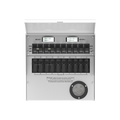
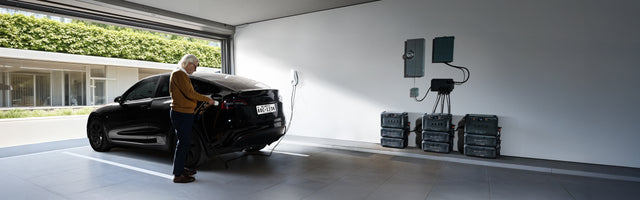
Winter storms leave cities without power for days each year in Canada. Without power, gas-burning furnaces stop functioning. Blowers, gas valves, and safeties all require power to keep your HVAC running.
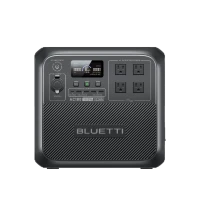
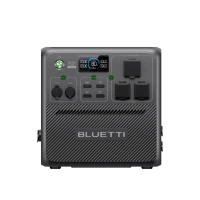
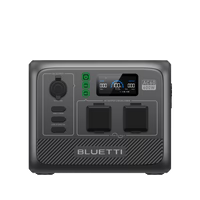
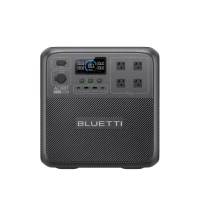
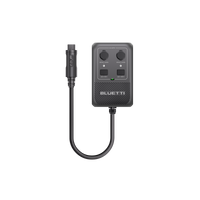
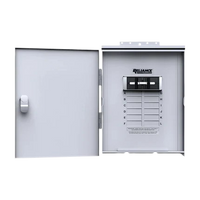
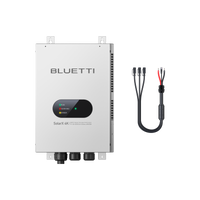
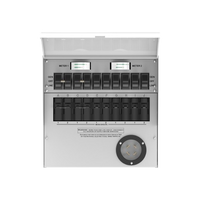
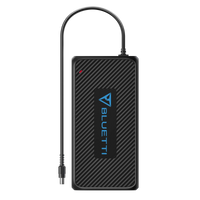
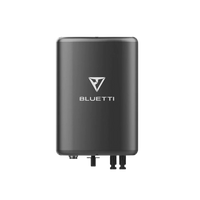
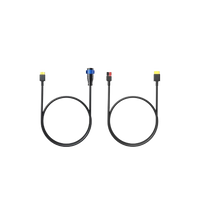
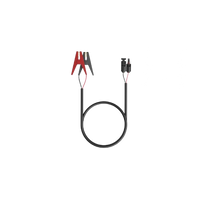
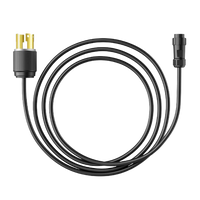
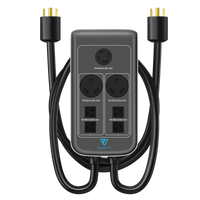
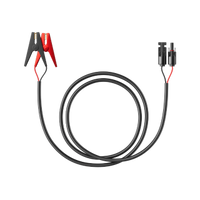
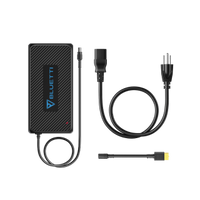
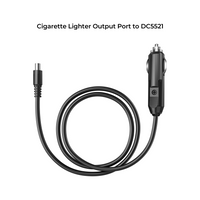
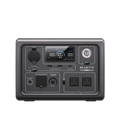
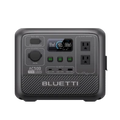
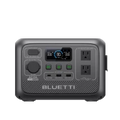
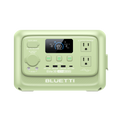
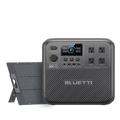
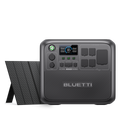
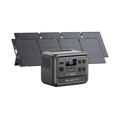
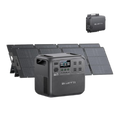
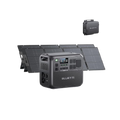
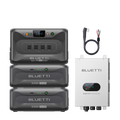
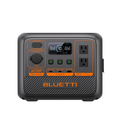
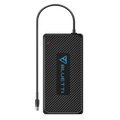
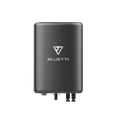
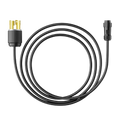
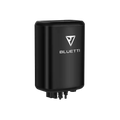
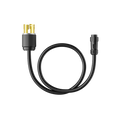
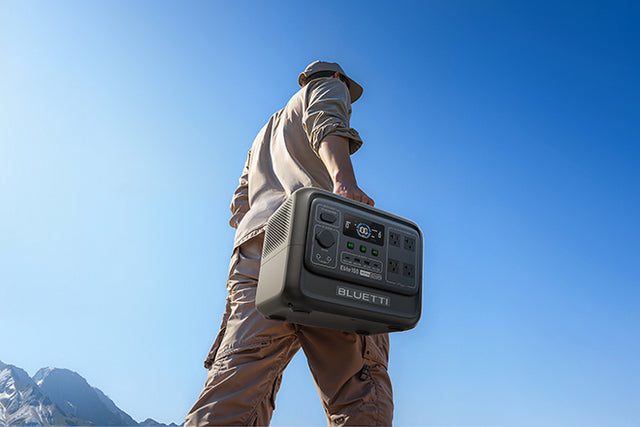
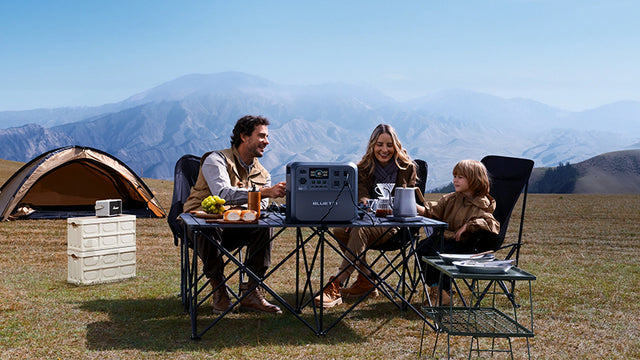
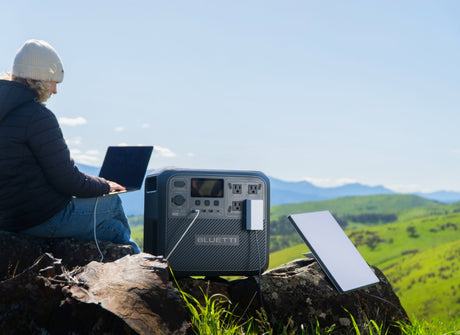
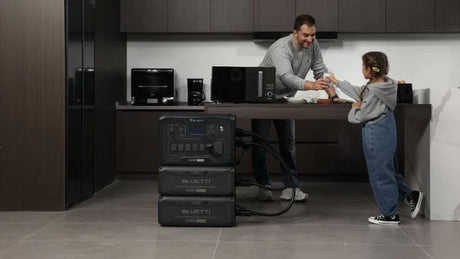
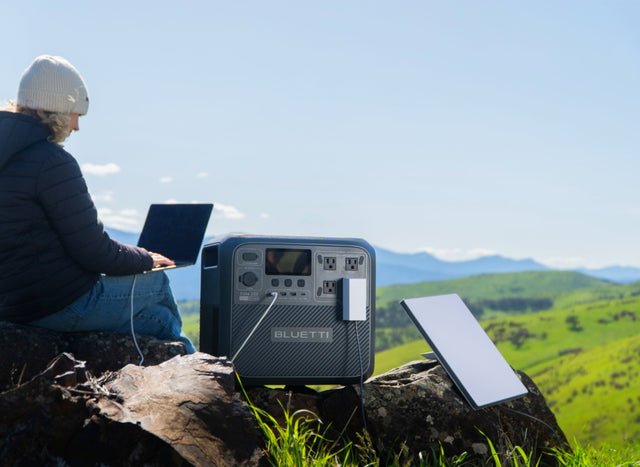
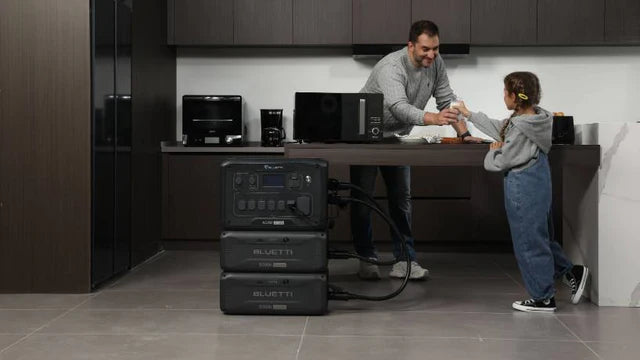
A battery backup, either portable or a whole-home one, is crucial here. It keeps vital systems (furnace fan, boiler pump, sump pump) operating smoothly. For outage-prone areas, any quality LiFePO₄ portable power station (1000Wh+) or whole-home generator will keep your furnace blower or heat pump running when the grid goes down.
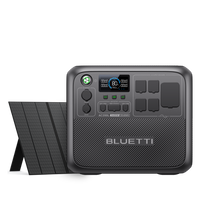
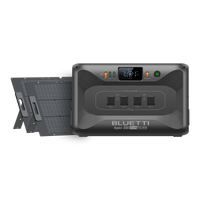
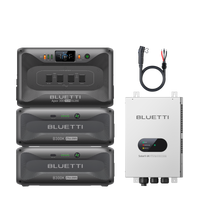
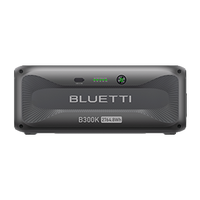
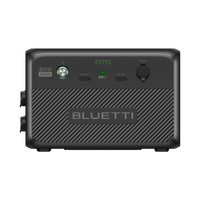
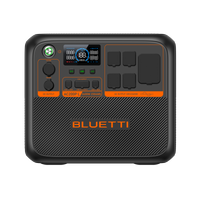
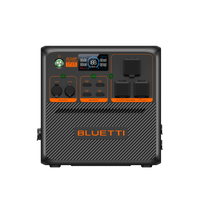
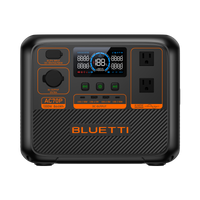
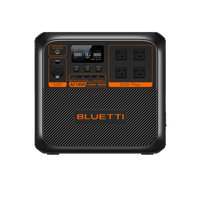
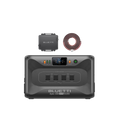
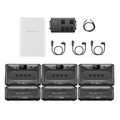
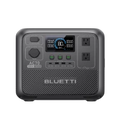
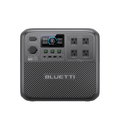
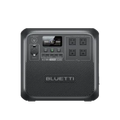
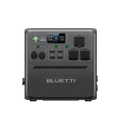
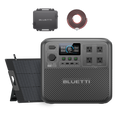
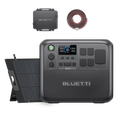
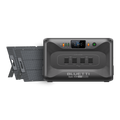
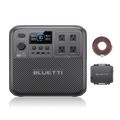
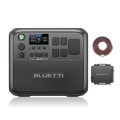
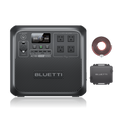
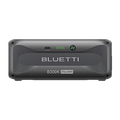
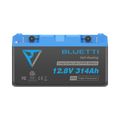
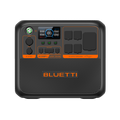
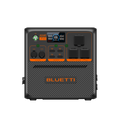
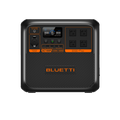
BLUETTI Apex 300
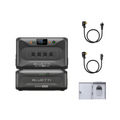
The BLUETTI Apex 300 offers genuine 120V/240V split-phase power in one self-contained unit. Thus, it's ideal for powering your furnace, well pump, and even your central AC unit in your HVAC system.

Key specs and features:
-
3,840W Output (Continuous, but 7680W during peak hours) from a 2764.8Wh battery capacity.
-
Expandable up to 58kWh with extra batteries.
-
Up to 19.2kW solar input + ultra-fast AC charging.
-
Instant 20 ms UPS switchover.
-
Automotive-grade LiFePO₄ cells with 6,000+ cycle life. This is equivalent to a 17-year lifespan.
-
Application control with extreme-weather alerting
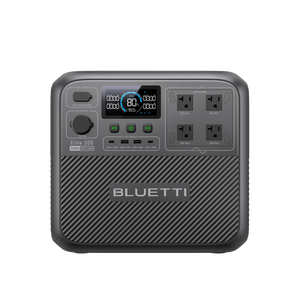
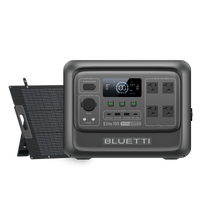
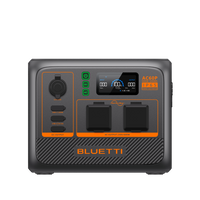
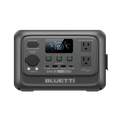
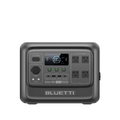
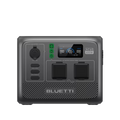
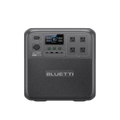
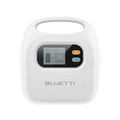
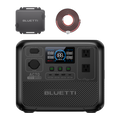
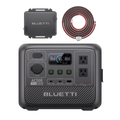
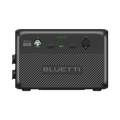
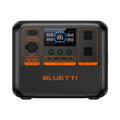
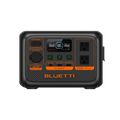
BLUETTI Elite 200 V2
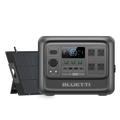
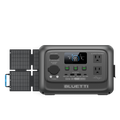
For smaller loads or portable purposes, the Elite 200 V2 takes the lead for HVAC backup power.

Highlights include:
-
Output Power is 2,600W (3,900W in Power Lifting mode) from a 2073.6Wh battery capacity.
-
Powers 9+ devices at once
-
80% charge in ~1 hour
-
Whisper-quiet functioning and featuring over 6,000 cycle life.
-
5-year warranty
Frequently Asked Questions
-
How long do Canadian HVAC systems last?
Gas furnace lifespans are 18-25 years. Cold climate heat pumps last 15-20 years in HVAC systems. Ground-source systems last 25+ years. Underground loops can last over 50 years.
-
Can HVAC Systems Enhance Indoor Air Quality?
Yes. Systems equipped with MERV 13+ filters, HRV/ERV systems, and optional UV lights remove dust, smoke, and allergens. Such HVAC systems ensure humidity is kept at healthy levels.
-
What does a new HVAC system cost in Canada?
Central Forced Air Systems can be installed for $8,500 to $20,000. Cold Climate Heat Pumps can be priced at $8,000 to $18,000 before the rebate application.
-
Should I go with a heat pump or a furnace?
For BC, Quebec, and southern Ontario, heat pumps are very efficient and come with rebates for HVAC. For the Prairies or northern locations, hybrid HVAC systems are crucial. They provide winter backup and energy efficiency.
Ready to stop dreading your energy bills and actually enjoy Canadian winters (and summers)?
Start with a free quote from a licensed contractor and check your provincial rebates—2025 is the year to make the switch.
Official resources:
Natural Resources Canada rebate finder: https://oee.nrcan.gc.ca/residential/personal/rebates.cfm
Oil to Heat Pump program: https://natural-resources.canada.ca/energy-efficiency/home-energy-efficiency/canada-greener-homes-initiative/oil-heat-pump-affordability-program
Your future cozy, lower-bill self will thank you.


