




























































High humidity makes many Canadian homes feel sticky and uncomfortable. You may wonder, do dehumidifiers use a lot of electricity for your home or business? The truth is, not as much for many dehumidifier brands. Understanding dehumidifier electricity use helps you budget effectively. The power consumption of most small to medium-sized dehumidifiers typically ranges from 300 to 700 watts. This is higher than a simple fan in power draw but much lower than a central air conditioner. You can reduce your dehumidifier energy consumption if you use one correctly and purchase one in the right size.
Understanding Dehumidifiers
Dehumidifiers extract excess moisture from your home's air. They reduce mould growth, ease your HVAC load, and lower overall energy use.
Canadian electric prices differ greatly. Québec's prices are a bit low, standing at 8.3-8.5¢/kWh. In contrast, Ontario stands at 15¢/kWh. An ENERGY STAR-rated dehumidifier reduces energy consumption by 13-15% below standard units. So, always choose the right one and use it properly to enjoy drier air at your home affordably.
What Can Affect A Dehumidifier's Energy Consumption?
A number of factors influence dehumidifier energy consumption. Understanding these helps you cut energy bills.
Firstly, it is essential to consider the size of the appliance. Dehumidifiers are measured in terms of pints or litres of water extracted daily. 30-litre units use less power than 70-litre ones. Large dehumidifiers may consume as much as 700 W or higher power but will extract moisture at higher rates.
Other factors include room conditions affecting the dehumidifier's electricity use. When the air is hot and full of moisture, it makes the dehumidifier work harder than usual. A cold basement may cause slower performance for some dehumidifiers powered by compressors below 18°C. Desiccants perform better in cold environments. They continue to operate even with cold air. However, some operate with more energy than small-scale compressors.
Efficiency ratings are very helpful, too. Search for ENERGY STAR qualified products. These dehumidifiers use 15% less energy than others do. Many of these dehumidifiers come equipped with humidistats, too. A humidistat is a sensor that automatically shuts off your dehumidifier when your desired humidity is reached.
But how you use your dehumidifier is also important for dehumidifier's electricity use. A dehumidifier equipped with a humidistat will allow you to adjust the humidity to like 45 to 50 percent. It will automatically switch off or go to its resting period if it reaches this desired level.
Maintenance is also further important for your unit to run at its best efficiency. A dirty filter or coil will cause your fan to work too hard. This will make the unit consume more power.

The model of the dehumidifier also impacts power consumption. Portable dehumidifiers are simple to transport and energy efficient as well. Whole-house or ducted dehumidifiers are connected to your HVAC system. These dehumidifiers are powerful but work for shorter cycles.
| Factor | How It Affects Power Use | Quick Tip to Save |
| Unit Size (l/day or litres/day) |
Bigger means higher wattage, but faster moisture removal |
Match capacity to room size and humidity |
| Room Temperature/Humidity |
Hot, humid weather means longer run time; cold weather slows some compressors |
Consider desiccant if < 18 °C or seal the room |
| ENERGY STAR Rating |
Uses ~15% less than non-certified units |
Always choose ENERGY STAR |
| Filters/Coils |
Dirty = more work for the fan and compressor |
Clean regularly |
| Auto Sensors/Humidistats |
Prevent over-dehumidifying |
Set a realistic RH target (45–50%) |
Choose the right size and take good care of it. This helps keep your dehumidifier's electricity consumption low. You pay lower bills, too.
Average Power Consumption by Type
There are three main types of dehumidifiers prevalent in Canada. Each requires a different amount of energy.
- Compressor models. Their purpose is to cool the air primarily to condense water. Usually, most of them draw 300-700 watts of power while operating. Smaller units use less power while larger units use more power.
- Desiccants. These work on a wheel or substance capable of drawing moisture. They are perfect for cool basements. Generally, these devices are capable of drawing 500 to 900 watts of power. Besides, these continue to operate even at low temperatures.
- Whole-house systems. These are connected to your HVAC system. Overall, these systems are for your whole house. Power consumption is variable, but most use below 1,500 W.
Knowing these types will help you pick the right unit for your home, affecting the dehumidifier's electricity use. Also, using the right one will save energy.
Approximate Cost Based on Power Consumption
This is just an approximate breakdown of expenses for each month in Canada regarding dehumidifier electricity use. We calculate for 8 hours each day.
| Type | Running Power (W) | Ideal Use Case | Approx. Monthly Cost (8 h/day) |
| Compressor |
300–700 W |
Warm, humid rooms |
$6–$24 / month |
| Desiccant |
500–900 W |
Cool basements or garages |
$8–$32 / month |
| Whole-Home |
Varies, often <1,500 W |
Entire home |
$25+/month |
Example:
- A 400 W compressor unit operating 6 hours will use 2.4 kWh/day. The cost is $10.20 every month.
- 600 W for 8 hours/day = 4.8 kWh/day, making $20 for every month.
Prices depend on the rates of electricity and actual consumption. This should give a good approximation for most Canadian households.
How to Figure Out Your Exact Costs

Dehumidifier power consumption can also be calculated manually for dehumidifier electricity use.
- Daily kWh = (watts times hours/day) / 1000
- Monthly charges = Daily consumption (kWh) × 30 × cost per unit (kWh)
For instance, for a 500 W appliance operating for 7 hours each day, the energy consumption is 3.5 kWh/day. This will amount to $0.49 for every day, adding $14.70 per month. We use the rate of $14.1¢/kWh here.
Dehumidifiers don't use as many watts as small humidifiers (30-50 W). However, they do not come close to central air units (in thousands of watts) or space heaters (1,500+ watts). Dry air makes your air conditioners or heaters run for shorter cycles and thereby use even less power.
Average Annual Energy Consumption
This is dependent on climate, room use, and unit size for most residential installations:
- 200–500 kWh/year for humid regions
- At 14.1¢ per kWh, this adds to $28-$70 per annum
Usage may be higher for very humid basement or cottage applications. Regular maintenance and correct use result in efficient energy consumption.
Tips for Reducing Your Power Consumption
You can save electricity and also remain comfortable.
- Right-size your unit to your room.
- Set the humidity to 45-50% levels. This is to prevent continuous running.
- Utilize timers or smart plugs for needed hours only.
- Clean your filters and coils monthly for efficiency.
- Seal any leaks and ventilate to remove excess moisture from the air.
- Use ENERGY STAR-qualified products for energy efficiency.
- Apply continuous drain to avoid stopping and starting.
- Combine with fans to move air and shorten run time.
These measures reduce your bills by $10 to $30 every summer month.
How to Remain Dry Even When Not Connected to Grid Power
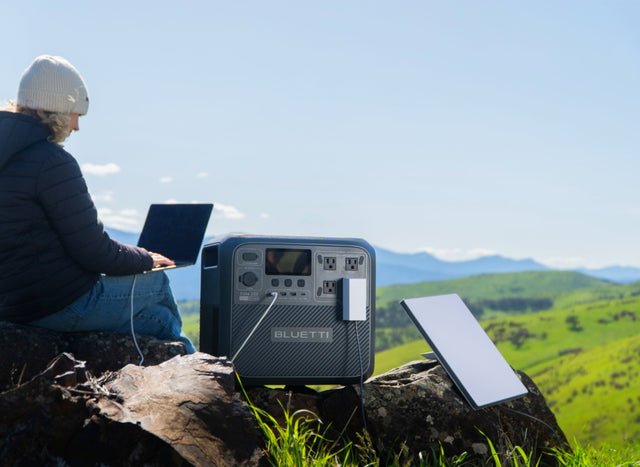
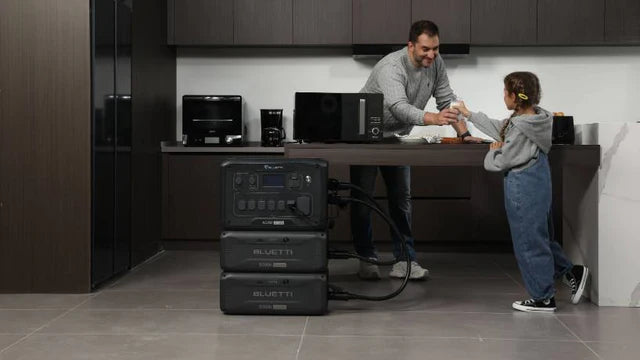
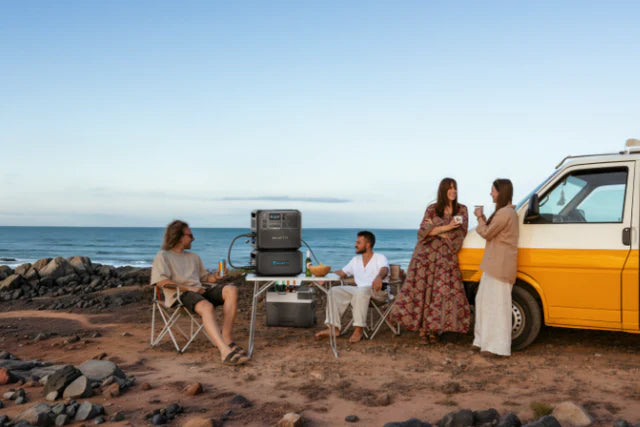
Storms may cause power outages in many humid regions of Canada. A portable power station can help your dehumidifier function even during power failures.
-
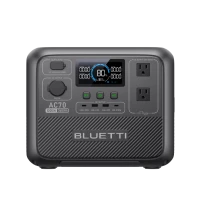
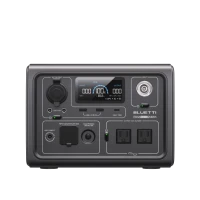
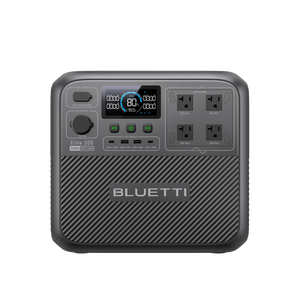
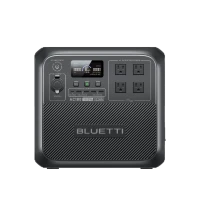
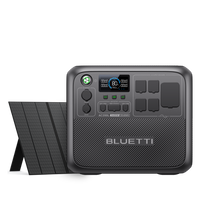
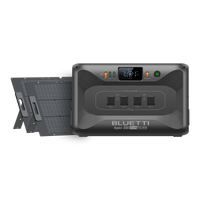
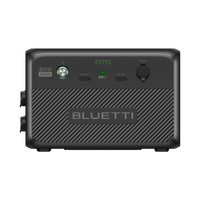
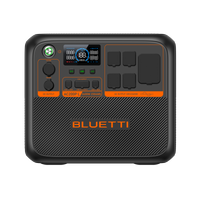
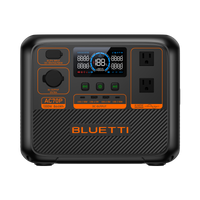
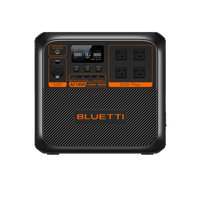
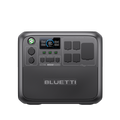
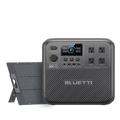
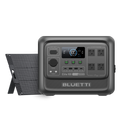
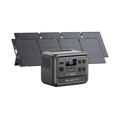
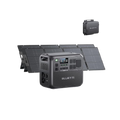
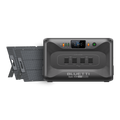
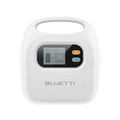
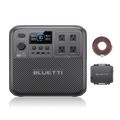
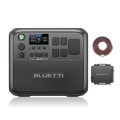
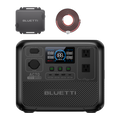
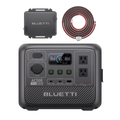
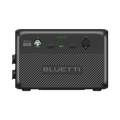
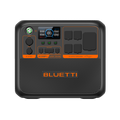
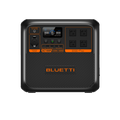
BLUETTI Elite 200 V2
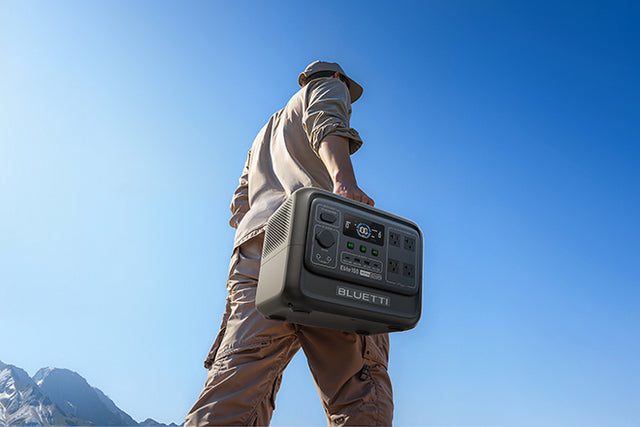
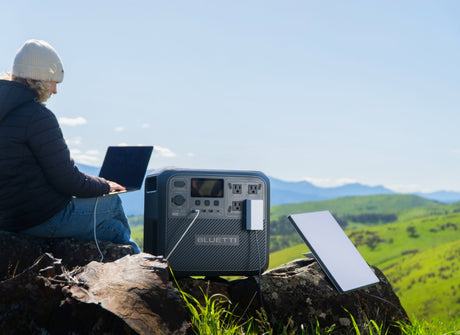
The BLUETTI Elite 200 V2 comes with a battery life of 2,073Wh and 2600W sustained power output. It is very lightweight at only 24kg, making it perfect to carry to your basement or temporary spots. It comes with various ports to power your dehumidifier simultaneously with your fans and lights, or even your small refrigerator. Also, it takes only one hour to get 80% charged using your wall outlet for fast charging. You further have the option to link your solar panels to enjoy renewable energy for free!

The battery composition of LiFePO₄ is very safe and guarantees many cycles beyond 6,000. Thus, it can last for many years of continuous use. It is very quiet during operation. Therefore, it avoids disturbing your home surroundings. It can power your 500W dehumidifier for several days with only a single charge. You can also control your settings through your smartphone via its App functionality.
-
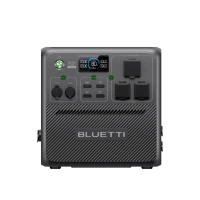
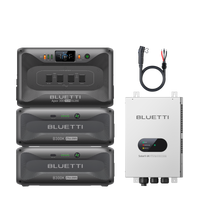
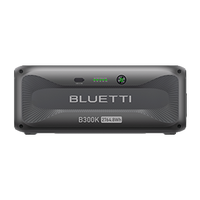
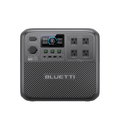
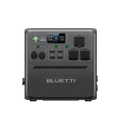
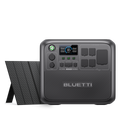
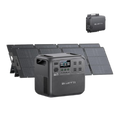
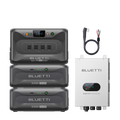
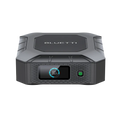
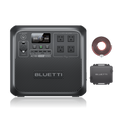
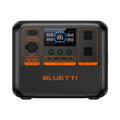
BLUETTI Apex 300

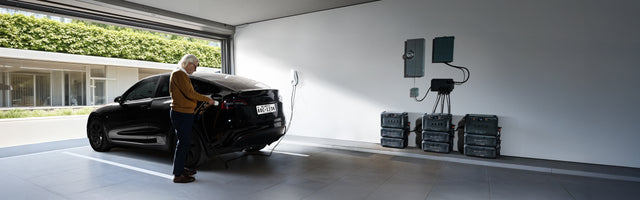
A whole-house or extended-range backup power option is provided by the BLUETTI Apex 300. It comes with an initial energy volume of 2,764.8Wh and supports 3,840W of sustained power output. Also, it supports the addition of extra batteries to meet your high energy demands. Besides, it supports large appliances and your dehumidifier with its dual voltage ports. It comes with solar input ports to facilitate fast charging at all load capacities. Lastly, it supports your 1,000W whole-house dehumidifier for several days while ensuring quiet operation.
Final Thoughts
Are dehumidifiers energy-hungry appliances, or do dehumidifiers use a lot of electricity? Not necessarily if you pick one correctly. A residential dehumidifier may require $5 to $25 per month to operate during humid periods based on the dehumidifier's electricity use. Always consider BLUETTI power stations. They create dependable power at all times because of power outages associated with natural storms.
Frequently Asked Questions (FAQ)
- Are dehumidifiers needed all year round?
Chiefly during humid months. Usage is low during winter unless one has a damp basement.
- Which provinces cost the least to operate one?
Québec, around 8.3-8.5¢/kWh. Ontario is nearly 15¢/kWh.
- Are ENERGY STAR units worth it?
Yes. They save around 15 percent of energy and normally pay off quickly.
- Can a dehumidifier reduce my air conditioning bills?
Yes. Drier air makes your home air cooler. You can raise your thermostat setting and save 10-20%.
- Can BLUETTI power stations power my dehumidifier?
Exactly! Both the Elite 200 V2 and Apex 300 have no trouble powering smaller or larger units for several hours or even days.


