


























































Your vacuum cleaner is responsible for maintaining cleanliness at home. However, understanding how many watts a vacuum uses helps you manage energy costs. Most individuals do not place much emphasis on the power of a vacuum cleaner or the wattage consumption of their vacuums. It is vital to note that wattage impacts your electricity bills and environmental footprint. Many Canadian homes have extensive carpeting that needs regular vacuuming. Understanding vacuum power draw and how powerful your vacuum is will help you save and shop for the right one.
Understanding Vacuum Wattage and Power
Watts measure power consumption, so higher wattage means more energy use. Typically, most modern household vacuums operate between 200 and 1,800 watts. Very few modern vacuums use 3,000 watts or more.
Wattage does not equate to cleaning power. A better measure of suction strength is air watts or suction pressure. Air watts measure the moving air power of the vacuum cleaner. Many manufacturers quote motor watts, but you should also read air watts to determine the actual cleaning capability.
A vacuum motor requires electricity for suction to take place. The efficiency of the motor is significant, too. A 1,000 W vacuum may perform better than another 1,200 W one if it is more energy efficient. Your electricity meter calculates your bills in terms of kilowatt-hours consumed. It measures the energy consumed over time in addition to the motor rating.
Features and designs influence the power requirement, affecting the power of a vacuum cleaner. Motorized brush rolls require higher power than suction-only heads. Additional tools and cleaning cycles require higher power consumption. Older vacuums and clogged filters cause the power consumption to rise because the motors have to work harder.
Typical Wattage by Vacuum Type

Various types of vacuums have different power ratings. These are to be expected for current market-line products:
Upright Options: From 600 to 1,800 watts. There are many upright vacuum cleaners, drawing around 1,000 to 1,600 watts. These vacuums are good for carpets but comparatively costlier to operate than some other types of vacuums.
Canister Vacuums: around 600 to 1,400 watts. Power for most canisters is close to 800-1,200 watts. Their designs facilitate effective cleaning for numerous floor types.
Stick or Cordless: From 100 to 600 watts. Most cordless motors may draw 150-400 watts when considering vacuum power draw. Some manufacturers may specify the power consumption of motors instead of the steady input.
Handheld: 50–200 watts. They're lightweight and suited for small tasks around the house. Their suction is not strong, but their consumption is low.
Robotic Vacuums: 20 to 100 watts during cleaning. Some may use 20 to 80 W on standard settings. Auto-empty docks or base stations may use higher power while operational.
It is worth noting also that specifications may include motor watts, air watts, or even Pa pressure ratings or battery information. So, always check.
| Vacuum Type | Watts Range | Recommended | Annual Cost (1 hour/week) |
| Upright | 600–1,800 W | 1,000–1,600 W | $8–$12 |
| Canister | 600–1,400 W | 1,000–1,200 W | $6–$9 |
| Stick/Cordless | 100–600 W | 200–400 W | $1.5–$3 |
| Handheld | 50–200 W | 100–150 W | $0.75–$1.10 |
| Robotic | 20–100 W | 25–35 W | $0.15–$0.25 |
These examples of costs are approximates regarding the power of a vacuum cleaner. The local rates of electricity change cost greatly. These costs are based on an average Canadian rate of ~$0.15/kWh.
Factors That Affect How Much Power Your Vacuum Uses

Several factors influence actual power use. These include:
Type of flooring and soil level
Carpets require stronger suction than hard flooring. Thick carpet options require more power. Pet hair and heavy dirt increase suction requirements.
House Size and Plan
A larger house takes more time to clean, also depending on the power of the vacuum cleaner. The number of stories adds to cleaning time. Households that have mostly carpet use more energy annually.
Maintenance and Condition of the Filters
A clogged filter or a full bin makes the motor work too hard. A clean filter helps to improve the efficiency of your vacuum. Older vacuums may not be as efficient as new vacuums.
Suction Setting and Usage Patterns
High suction settings consume much higher power. Low suction settings should be preferred for light cleaning tasks. Short bursts of cleaning may require less power than continuous cleaning at high suction settings.
Energy Labels and Testing
The Canadian markets do not have a wide ENERGY STAR label for vacuums. Consider trusted reviews, independent lab tests, and manufacturer specifications for 'air watts.' These can help to determine efficiency.
Calculating Your Vacuum Cleaner's Annual Energy Cost

Apply this formula when understanding how many watts a vacuum uses:
Annual energy consumption (kWh) = (Watts / 1,000) × Number of hours/week × 52
Example: A 1,000 W vacuum operating for 1 hour per week will use 52 kWh per year.
To determine cost, simply multiply the amount of kWh by your cost per kWh. Costs differ per province:
Example costs using sample charges:
- Quebec example at approximately $0.085/kWh: 52 kWh × $0.085 = $4.42 per year
- Example for Ontario at $0.15/kWh: 52 kWh × $0.15 = $7.8/year
Each province is different. Plug your utility's rate into this equation to determine your cost:
More examples:
- 1,000 W, 2 hours/week = 104 kWh/year → your cost may vary based on your energy rate.
- 1,500 W, 1 hr/week = 78 kWh/yr → depends on your rate.
- 1,500 W, 3 hours/week = 234 kWh/year → cost depends on your rate.
Common Brands and Their Power Consumption
Brands have different specifications for the power of a vacuum cleaner. You have to consider both watts for motor input and air watts while comparing products.
Cordless Dyson cleaners may include run time and suction power. The operational power is between 150-500 W for cordless cleaners. Corded cleaners may go higher, especially older or powerful cleaners. Dyson also tests airflow and cleaning performance.
Shark's cordless sticks will be around 150 to 300 W when considering vacuum power draw. Other corded upright types may use higher power. Check your specific product's specifications page for details.
Hoover provides both corded upright vacuums and cordless stick vacuums. Corded upright cleaners tend to operate at 900 to 1,200 W. Cordless stick cleaners mainly indicate low operating watts.
Miele's canister series may have power specifications of around 800 to 1,200 W. The suction and filtration capabilities are intended to be powerful.
Bissell stands out with sticks and canisters. Cordless stick vacuums may operate from 200 to 300 watts. Corded stick vacuums may go higher than that.
Portable Power for Remote Cleaning
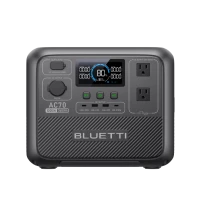
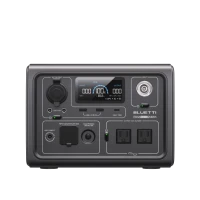
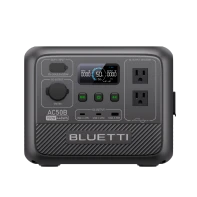
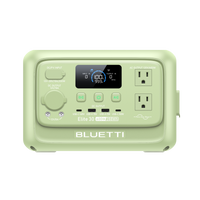
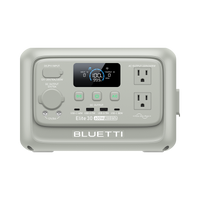
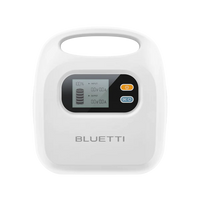
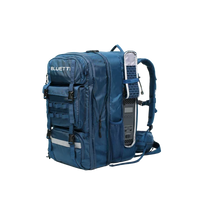
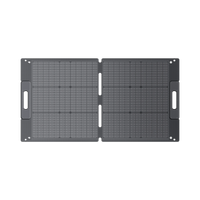
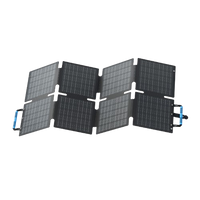
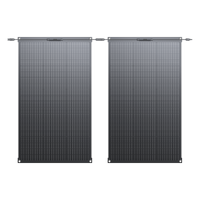
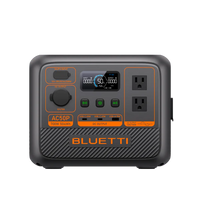
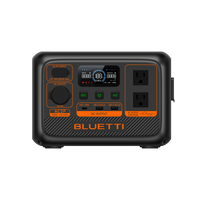
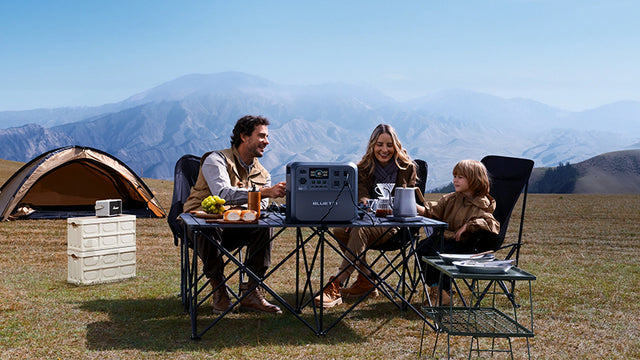
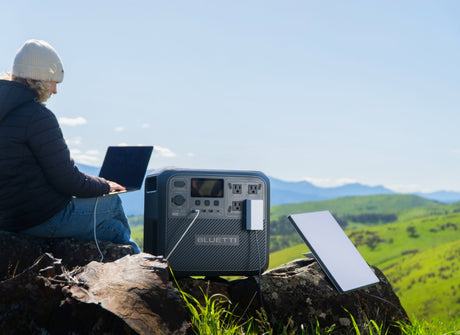
At other times, you may need to run a vacuum cleaner independent of the power grid. This is especially needed for vacation cottages, RVs, boats, or cabins located away from any power supply. This is where power stations come in handy.
-
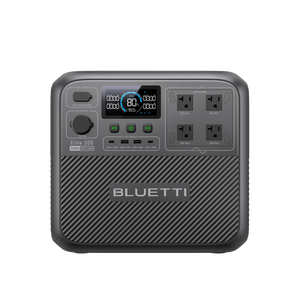
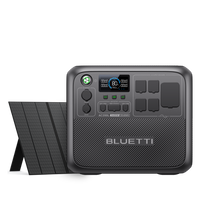
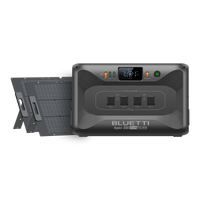
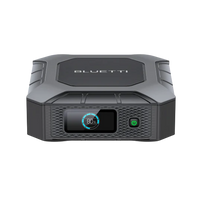
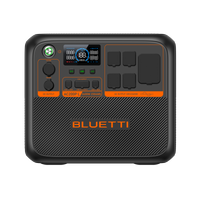
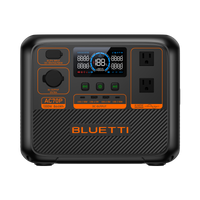
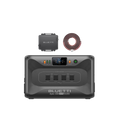
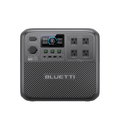
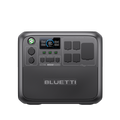
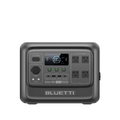
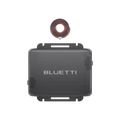
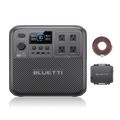
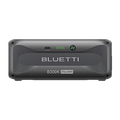
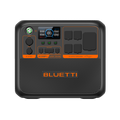
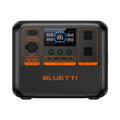
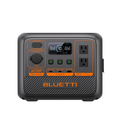
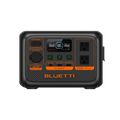
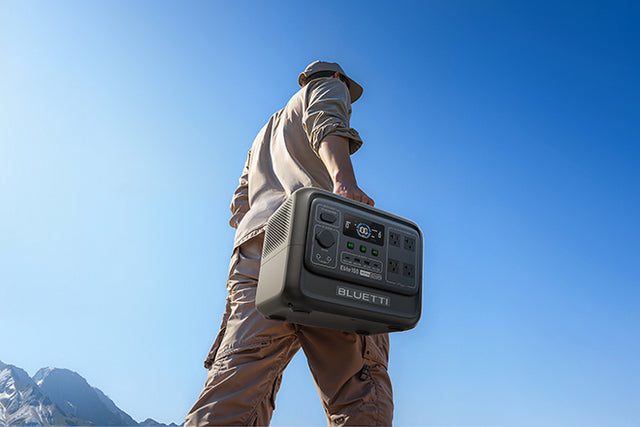
BLUETTI Elite 200 V2

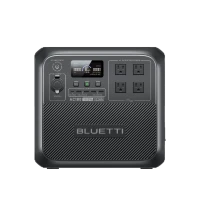
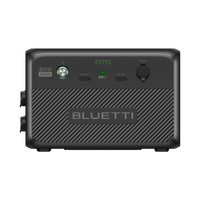
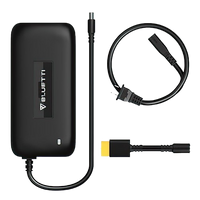
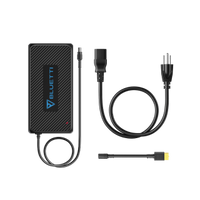
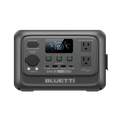
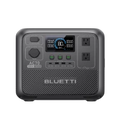
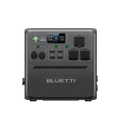
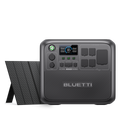
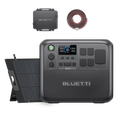
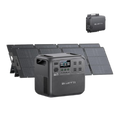
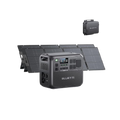
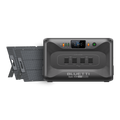
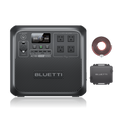
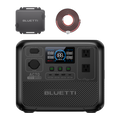
BLUETTI Elite 200 V2 has a capacity of 2,073.6Wh and a power output of 2,600W. Based on its power rating, it can power a 1,000-watt vacuum for nearly 2 hours. Thus, this is perfect for those cabin weekends or for power outages. It takes only 1.1 hours to fully recharge it via the wall charger. Solar charging is another option you can consider.
-
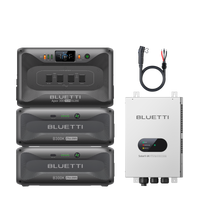
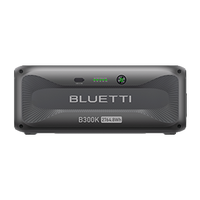
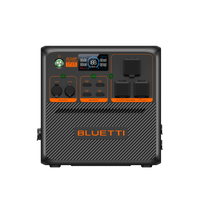
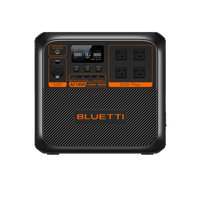
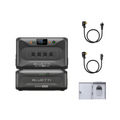
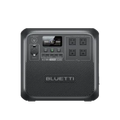
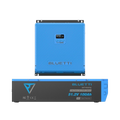
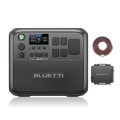
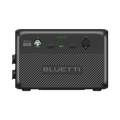
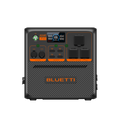
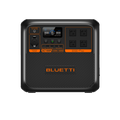
BLUETTI's Apex 300

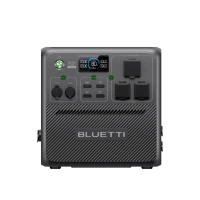
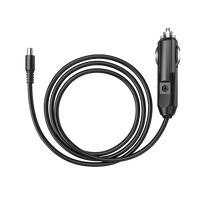
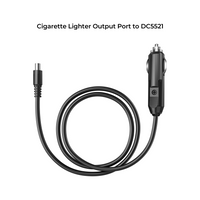
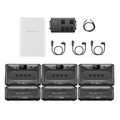
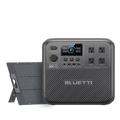
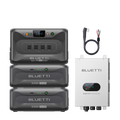
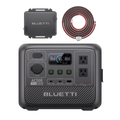
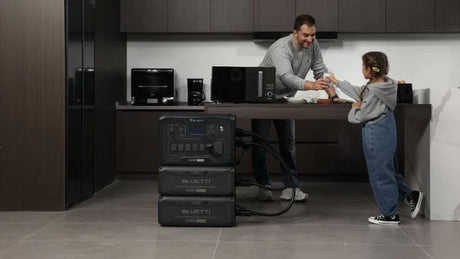
For larger residential applications or off-grid use, BLUETTI's Apex 300 provides a capacity of 2,764.8Wh with an output of 3,840W. This reliable unit effortlessly supports high-power vacuums to accomplish tasks quickly. It supports a 1,000-watt high-power vacuum for around 2.8 hours on one charge alone. This system can also grow with up to 6 batteries for added power duration support. It can be charged from 120V or 240V power outlets or car charging ports, and solar power packs for convenience and flexibility. The 0ms UPS switchover feature prevents any interruption of your machine's operation during power failure situations.
Tips to Reduce Energy Consumption
Check the basic tips to cut energy consumption and save money:
For smaller tasks, select low suction power. For use on hard flooring, operate the suction at low settings. High-power suction is for carpet cleaning tasks. Low settings may reduce power consumption significantly.
Take care of your vacuum cleaner. Empty dust bags or bins and change or wash filters according to the manufacturer's instructions. Remove any tangled hair from your brush roll. Clean pathways to ensure smooth airflow. A cleaned vacuum cleaner performs optimally and consumes less power.
Vacuum smarter. Start cleaning high-traffic areas first. Clean for brief bursts for small cleaning tasks. Avoid extended cleaning periods at full power where it is not required.
Choose the correct attachment to use. Utilize the bare floor attachment for hard floor cleaning. Always use motorized brushes for carpet cleaning only if necessary. Using the right attachment conserves energy and cleans effectively.
Invest in efficient models. There is no single ENERGY STAR rating for vacuums offered in Canada. One should refer to independent lab testing, manufacturer-supplied data for air watts, and reviews from respected sources. A good quality machine will deliver good cleaning at low input power.
Think about getting and using a smaller vacuum for smaller tasks. Cordless sticks and handheld vacuums are excellent for quick cleaning jobs. Reserving larger upright vacuums for deeper cleaning will reduce energy consumption.
Be aware of your local electricity prices per kilowatt-hour. Run larger jobs during off-peak times if your utility company has time-of-use pricing. Check your local utility company's off-peak schedule and prices.
Frequently Asked Questions
- Is Higher Wattage Always Better for Suction Power?
No. Watts indicate the use of power by motors, not suction power. Air watts and suction pressure are better indicators of cleaning power. A well-designed 1,000W suction machine may outclean a poorly designed 1,500W machine.
- How much will my vacuum contribute to my electricity cost?
A 1,000 W vacuum operating for 1 hour a week consumes 52 kilowatt-hours annually when calculating how many watts a vacuum uses. At a low rate, this could cost several dollars each year. At higher rates, it is costlier. You may use your local rate for computation to determine just how much it is annually.
- Are Cordless Vacuum Cleaners Energy-Efficient?
Their power consumption is often low while they are operational. Cordless motors have power between 150 and 400 W. However, one also has to factor in charging losses as well as battery drain. Cordless types come into use for light tasks.
- What is the cheapest vacuum to operate in Canada?
Typically, residential robot cleaners record the lowest suction power during cleaning activities. A number of them operate between 20-80 W. Hand sticks need higher power but remain below others. Price is dependent on cleaning duration and any application on the base/dock.
- Is it air watts or normal watts that I should consider?
Both. The standard watts indicate operational cost. Air watts and Pa indicate cleaning power. It is necessary to use both values and actual testing to pick out the best machine.


