































































































Canadian winters often bring challenges for families, with ice storms being among the most dangerous. Power may be off for days, and roads become ice rinks on which people slip and fall. Many families are unaware of what to do when it freezes.

What Are Ice Storms and Why Do They Hit Canada So Hard?
Being informed about ice storms is crucial. It will assist you in preparing swiftly. The earlier you can note the warnings, the more time you have to plan.
How Ice Storms Form
An ice storm begins when rain falls on cold objects and freezes quickly. Hot air rises above cold air resting close to the ground. Precipitation falls from the clouds and melts in the warm air. Then the water falls down and strikes the cold ground below. The rain freezes on contact, coating everything in ice. As more rain falls, this ice becomes thicker and heavier. Power lines break down under the weight, and trees shatter in two. Large branches fall down and cover houses and roads.
Difference Between Ice Storms & Winter Storms
These two are often confused. Here, both are bad but hurt you in different ways. Ice storms are characterized by rain that freezes upon contact with objects. All is now covered with a heavy layer of ice.
During winter storms, snow covers everything, and strong winds blow everywhere. Deep snow blocks the roads, making it impossible for cars to move. You should have various strategies to survive every type of storm.
Canadian Regions Most at Risk

Ice storms affect the Eastern part of Canada more than any other. The worst storms are experienced in Ontario and Quebec every winter. One of the largest disasters in Canada was the 1998 ice storm. More than 4 million individuals were deprived of power and were sitting in cold darkness. There were areas that took weeks to restore power.
Ontario and Quebec were struck again in many parts in March 2025. The news reported rampant power cuts throughout the two provinces at the time. Power lines shattered and crashed down in numerous towns and cities.
Recent Ice Storm Impacts Across Canada
Ice-related storms are becoming increasingly severe and costly. The ones that occurred in April 2023 in Montreal and Ottawa were seriously disastrous. A number of households were dark and cold during a span of seven days. Any Canadian family requires a good plan to survive.
Before the Ice Storm Hits
It is best to prepare in advance to protect your family from harm. Being prepared is much cheaper than repairing what's damaged later.
Shielding Your Home Against Ice
Your house requires protection before the ice arrives. You should do it before the weather experts announce storms.
Pipe Insulation and Draft Sealing

Broken frozen pipes cost thousands of dollars to repair every winter storm. When water pipes burst, one thing happens. They end up flooding your house. This ultimately destroys whatever you have. Wrap your pipes with foam casings. That's essential to insulate and heat them. First, inspect the pipes in the basement. Also, do the same for those on the exterior walls. Keep your doors open under your sinks. That's crucial to allow warm air to enter.
Cover your windows and doors. Do that with strips that keep the cold air out. Don't leave even minor holes. Those enable cold air to enter and the warm air to escape. You can use the sealing to improve the performance of your heater, and it uses less power.
Trim Trees Near Power Lines
Ice causes tree branches to become heavy and then break very easily. Branches that appear sturdy may break and fall on your house. Hire a tree trimmer. These experts will trim the branches that are over your house. Where possible, keep trees a safe distance away from power lines. The collapse of a single large branch can cut power lines to all.
Stock Emergency Supplies
Your family will require food and supplies that will last at least 3 days. According to safety experts, it is even better to have some more when massive storms strike.
Food and Water Essentials
- Purchase food that does not require a refrigerator or a cooker.
- Tinned vegetables, stews, or soups (that can be eaten cold).
- Fast meals, like peanut butter and crackers.
- Dried fruit and granola bar snacks.
- Tuna packed in cans, and other meats that provide protein.
- Dried pasta and rice—provided you can prepare them another way.
- Have at least one gallon per person per day for 3 days. Use a hand-operated can opener. It's the most preferred instead of an electric one.
Medical Supply and Medicine
Store 7 days' worth of medication if your doctor tells you it is all right. Buy cold medicine and pain pills just in case people become ill. You must do one thing for the first aid box. Ensure it is easily accessible to everyone.
Emergency Equipment & Lighting

Use battery-powered flashlights. Pick them instead of candles, which can easily cause fires. Stock extra batteries for all items that need power to operate. Bring a battery-powered radio for the storm news.
Vehicle Preparation Tricks
Winter storms & icy roads affect vehicles. So, prepare your car well. Keep at least half a tank of gas at all times in your vehicle.
Also, have the following:
- Blankets and coats to keep you from freezing outside.
- Flashlight with spare batteries to see in the dark.
- First aid box for cuts and injuries that may occur to you.
- Long-lasting snacks and water that do not spoil easily.
- An ice scraper and brush to clean out your car windows.
- Jumper cables in case your car battery goes dead in that cold weather.
- Little shovel to clear your car out of snow.
- Unless it is necessary, do not drive during ice storms. Wait until roads are treated with salt and sand.
Develop Family Emergency Plan
The whole family should be informed about what to do before storms strike. Always have a person you can call outside the affected area to assist. Select a secure room that is not near windows that can break. Make a list of all the important phone numbers on pieces of paper that you can read.
Major Emergency Power Solutions
Ice storm power outages typically take much longer to resolve than other outages. Workers find it difficult because of the ice on the roads and freezing rain.
Why Backup Power Matters During Ice Storms

The majority of households require electricity. It helps generate heat and keep the property warm. Once it goes off, it only takes a few hours for the home to become cold. Pipes can become frozen quickly and may burst. Thus, they end up releasing massive amounts of water.
The medical devices for those with health conditions cease operation when they lack power. It takes your fridge 4 hours to warm up, and your food begins to spoil. You run out of phone battery, and at that point, you cannot make calls to seek assistance.
Power Station Capacity for Essential Devices
Know what needs the greatest power:
- The furnace fan uses 600 to 900 watts.
- The fridge uses between 150 and 400 watts.
- The LED bulbs use as little as 10-20 watts per bulb.
- Chargers use less than 5-20 watts.
- An internet box uses between 10 and 20 watts.
- Medical devices use varying amounts of energy depending on their activity.
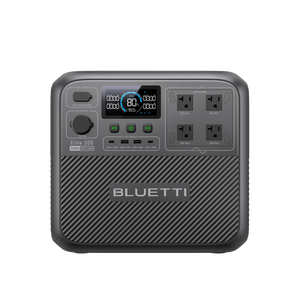
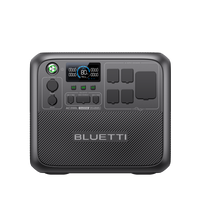
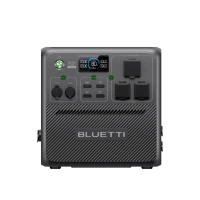
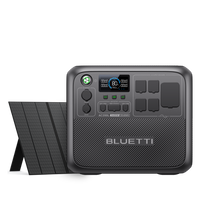
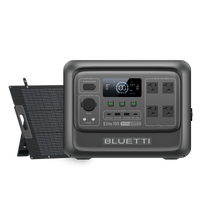
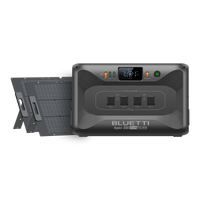
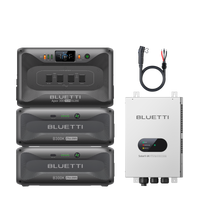
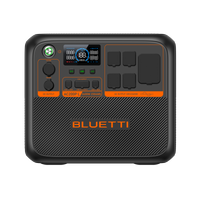
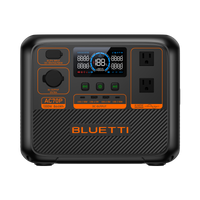
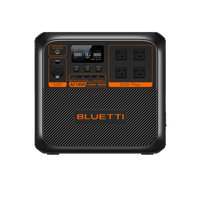
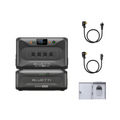
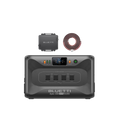
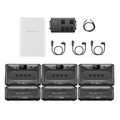
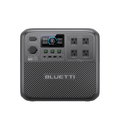
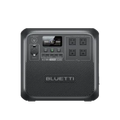
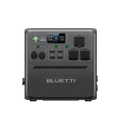
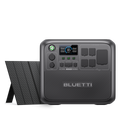
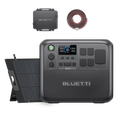
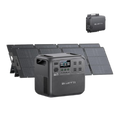
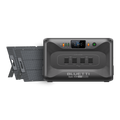
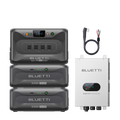
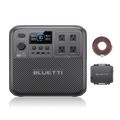
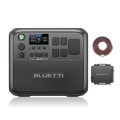
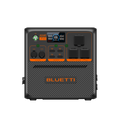
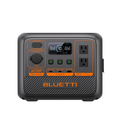
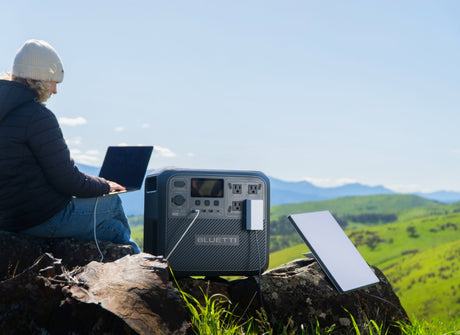
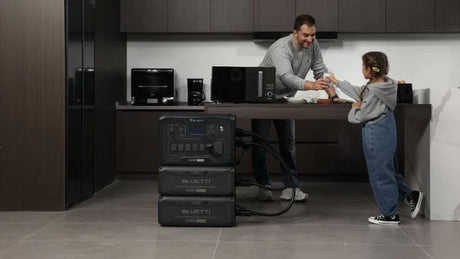
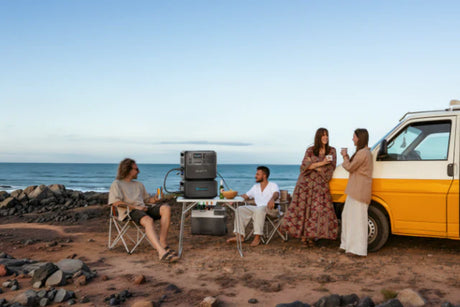
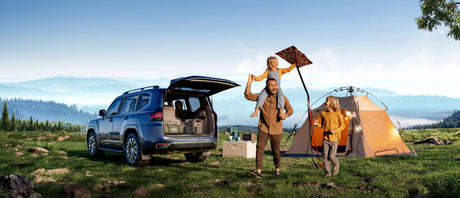
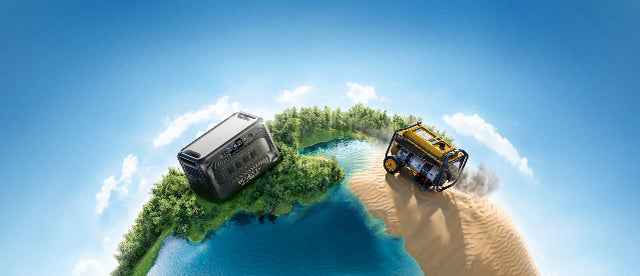
BLUETTI Apex 300 Versatile Power Station
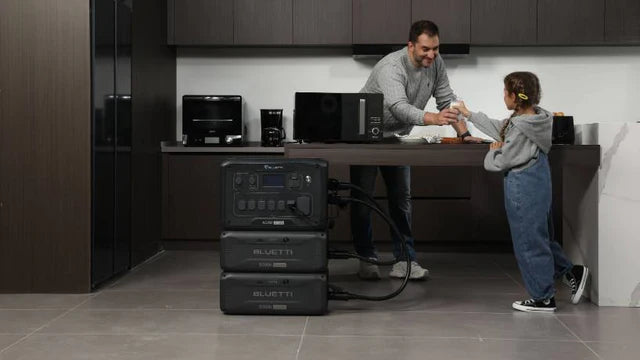
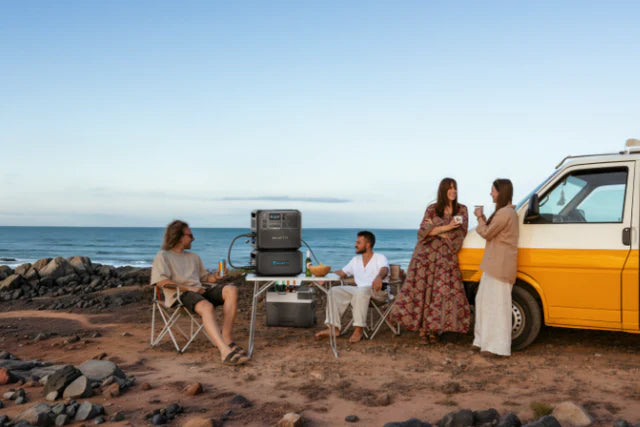
The Apex 300 provides households with energy during long-term blackouts. It contains 2764.8Wh of power and supplies 3840W to gadgets.

What it does for you:
- Works with 120 V as well as 240 V things in your home.
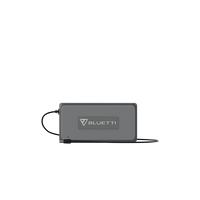
- Increases in size if you add more battery boxes.
- Wall power, solar panels, or even a gas generator can charge it.
- Switch on quickly to keep sensitive machines running continuously.
- Allows you to view power levels on your phone screen at all times.
- Lasts more than 6000 times before the battery becomes weak.
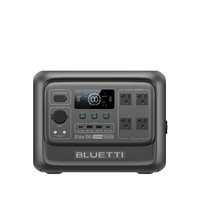
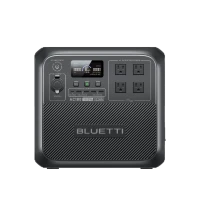
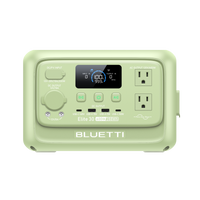
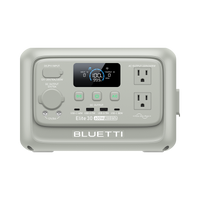
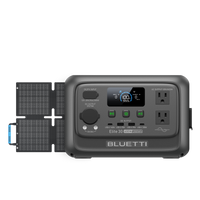
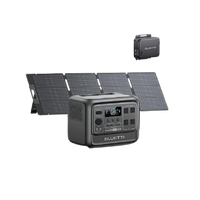
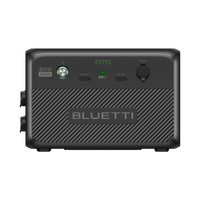
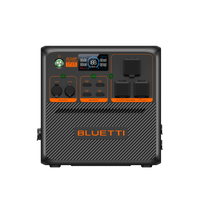
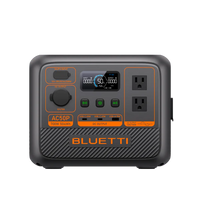
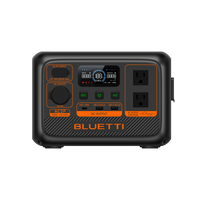
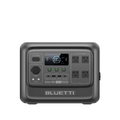
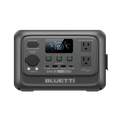
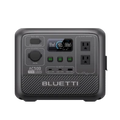
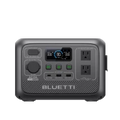
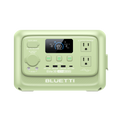
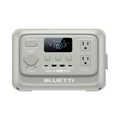
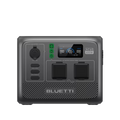
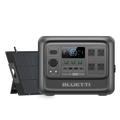
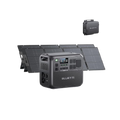
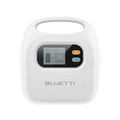
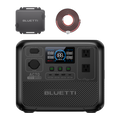
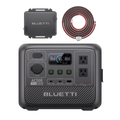
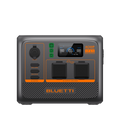
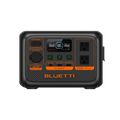
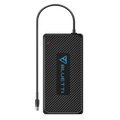
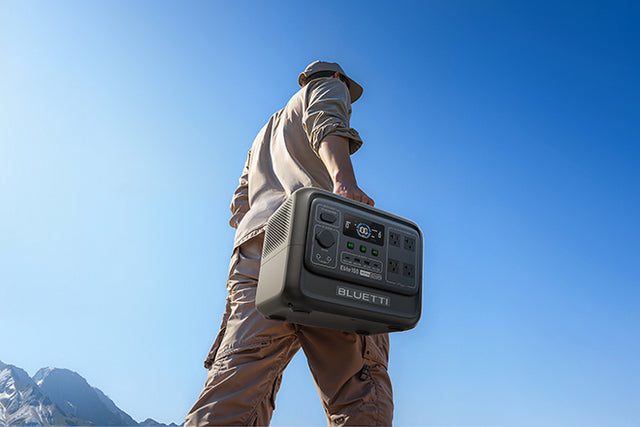
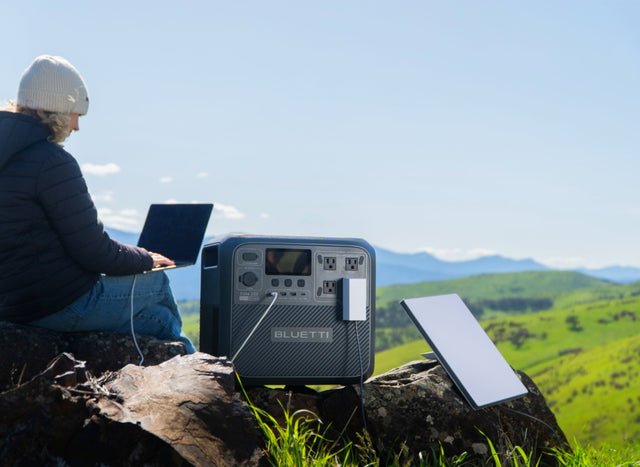
BLUETTI Elite 100 V2 Portable Power Station
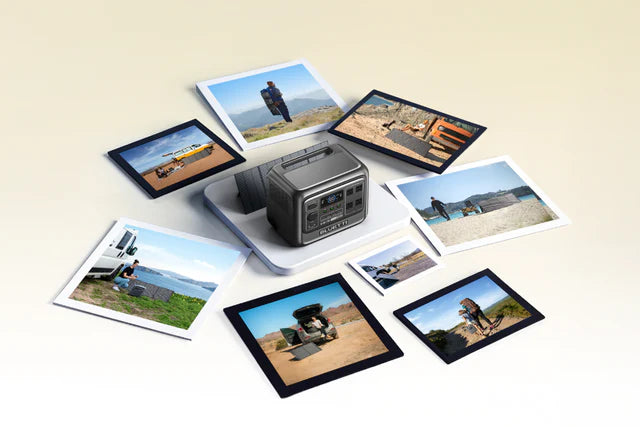
The Elite 100 V2 is a small size. Thus, it can be moved anywhere. Its capacity is 1024Wh. And the overall weight of it is 11kg.

What it does for you:
- Its size is small, with a handle, making it easy to carry.
- Rapid charges restore your power quickly whenever needed.
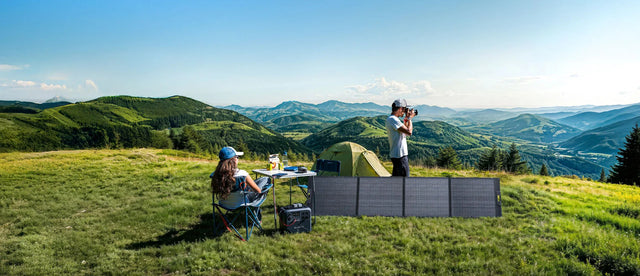
- Charges using solar panels to take advantage of the sunlight.
- It operates quietly under light loads, avoiding distractions.
- Has numerous outlets to power various items you require.
- High-quality components ensure long battery life.
During the Ice Storm
During freezing rain, prioritize staying safe above all else. Do not take risks in order to be hurt or killed.
Safety Protocols to Follow
Stay inside. Only move out if it's a must. Stay at least 10 meters (about 10 large steps) away from power lines. Call emergency help after doing that. Never drive in those extreme conditions.
Conserving Power and Heat
Seal off rooms that are not in use. The move helps to trap heat in occupied areas. Hang blankets on windows. That prevents heat loss through the glass. Also, wear as many clothes as possible indoors. That ensures you stay warm without power. Close the doors of your fridge and freezer. It's recommended to do that to maintain a cold temperature.
Food Safety Without Refrigeration
Perishables are unsafe after 4 hours above 40°F (4°C), such as meat, milk, eggs, and leftovers; frozen food can last longer if the freezer stays below 40°F.
Carbon Monoxide Poisoning Prevention

Carbon monoxide is a colourless and odourless gas. It kills whoever inhales it too long indoors. Do not use these now in the house when you are having power problems:
- Power-generating gas generators that emit poisonous gases as well.
- Propane-burning barbecues are intended to be used outside only.
- Fuel-burning camp stoves that produce fumes.
- Grills that burn charcoal and produce deadly carbon monoxide.
- Never use gas ovens for heating rooms.
Your head aches, and you feel dizzy, and then your stomach feels sick. Should this happen, head outside and call 911. Install battery alarms near the beds to hear warnings when sleeping at night.
After the Storm
Risk remains even when no more ice is falling out of the sky. It takes time to fix everything, and you need to be slow and steady.
Damage Assessment Steps
Do not walk out to see until it is safe. Ice may continue to fall from trees and lines for hours or days. For insurance purposes, check the broken pieces and then take photos before cleaning them up.
When to Call Professionals
Get licensed electricians. That's in case you want to repair broken wires and power boxes. Never attempt to repair electrical things on your own. Do that, and you may be killed. Consider hiring professionals in the field of tree care. They'll help you to remove the large fallen branches. Have the roofing professionals inspect the holes that you cannot see.
Insurance Claims Process

As soon as the storm has ceased to hit you, call your insurance company promptly. They might pay for:
- Damage to roofs in case of ice or branches that have crashed down.
- Ice making holes in your house walls, which caused water damage.
- The items you had in there that got wet or damaged by water.
Other insurance that you took out may also cover:
- Sewer backups causing overflows in your house.
- Outside groundwater—entering and becoming too wet.
- Ice dams, which cause water to leak into your roof.
FAQs
- How long do ice storms typically last in Canada?
The precipitation phase often lasts 12–48 hours, but power outages and recovery can extend to days or weeks (e.g., the 1998 storm left some areas without power for over a month).
- What is the difference between falling ice and freezing rain?
Freezing rain occurs when raindrops fall as supercooled liquid and freeze instantly on contact with cold surfaces, forming a heavy, clear glaze of ice that coats everything (trees, roads, power lines). This buildup adds extreme weight and is the primary cause of major ice storm damage.
Ice pellets (also known as sleet) are small balls of ice that freeze completely before hitting the ground. They bounce, accumulate like gritty snow, and create slippery conditions but typically add less dangerous weight to structures.
- What can I do to prevent pipe freezing in the event of an outage?
Allow water to drip slowly to facilitate its flow through pipes. Open doors beneath sinks to allow warm air to circulate into the pipes.
- What should I do if I'm stuck in my car during an ice storm?
Stay inside the vehicle, run the engine for 10 minutes every hour for heat (clear the tailpipe of ice/snow first to avoid carbon monoxide buildup), and keep emergency supplies handy.
- When is it safe to throw away food after a power outage?
Refrigerator food is unsafe after 4 hours without power if above 40°F (4°C). Frozen food can last 24–48 hours if the freezer door stays closed. When in doubt, throw it out.
- Which regions in Canada are most at risk for ice storms?
Eastern Canada, especially southern Ontario, Quebec, New Brunswick, and parts of Nova Scotia. The St. Lawrence Valley and areas around the Great Lakes are particularly vulnerable due to temperature inversions.


