



















































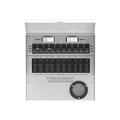


















You see your lights flickering during a bad storm outside your house. The furnace goes off, and your family is left sitting in the cold, dark house. You head to the basement and find the old fuse panel. Do you replace the fuse that is blown, or do you upgrade to circuit breakers? This option makes your family safe and will save you money over time.

What Fuses Do in Your Home
Fuses keep your wires safe from excessive power flow. A fuse contains a thin strip of metal that melts when overloaded. When too many amps pass through, that strip melts, breaking the circuit. This stops the power immediately and protects your wires from damage.
The Three Main Types of Fuses
In Canadian homes, there are three types of fuses found in the panels:
- Plug screw-in fuses into your panel like light bulbs.
- Cartridge fuses look like small tubes with metal caps on each end.
- Time-delay fuses take a few seconds to blow, allowing temporary surges.
Why Some Homes Still Use Fuses
Fuses respond very rapidly to power issues and are inexpensive. A large number of homes in Ontario and Quebec built prior to 1960 continue to use them. At that time, 60-amp panels were standard for small family houses.
The Downsides of Fuse Panels
Every time a fuse blows, you have to purchase new ones, which adds up. It is also easy to install the incorrect size fuse by mistake. A 15-amp circuit should have a 15-amp fuse and not a larger one. Larger fuses let wires overheat, increasing fire risks. Many insurance companies consider fuse boxes a high fire risk.
How Circuit Breakers Protect Modern Homes

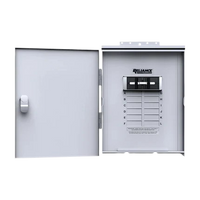
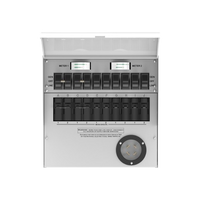
Circuit breakers act like switches that trip off when issues occur. You can just reset them by flipping the switch back on. You do not require any new parts after every trip, saving your money. This makes them more convenient for busy Canadian families.
Different Breaker Types for Safety
There are various types of breakers in modern panels for safety:
- Standard breakers prevent overloads and short-circuiting.
- GFCI breakers prevent shocks in wet areas.
- AFCI breakers detect arcs that could start fires.
The Canadian Electrical Code requires AFCI protection in most bedrooms and living areas. This helps protect Canadian families from concealed fire hazards. GFCI protection in bathrooms and kitchens is also required under the code.
The Trip and Reset System
The breaker is tripped by heat or magnetic force when there is a fault in the wires. When overheated by excess power, a bimetallic strip bends to open the circuit. In sudden short circuits, an electromagnet pulls the switch open quickly. These two methods work together to prevent overheating in your house.
Breaker Benefits and Limits

When properly installed by professionals, breakers last 30 to 40 years. You can test them monthly to ensure they work. After trips, no new parts are required; only a simple reset. However, breakers cost more upfront than fuses.
Comparing Both Protection Methods
|
Feature |
Fuses |
Circuit Breakers |
|
Initial Cost |
Low ($5-20 per fuse) |
Higher ($1,500-$3,500 for a new panel) |
|
Ongoing Cost |
$2-5 per replacement |
$0—just reset |
|
Response Speed |
Very fast |
Fast |
|
Lifespan |
Indefinite if not blown |
30 to 40 years |
|
Code Compliance |
Not allowed for new installations |
Required for new work |
|
Insurance Impact |
Often higher premiums |
Standard rates |
Cost Differences Over Time
Upfront, fuses seem cheaper. But you might pay $2-5 each time one blows. A family that replaces 10 fuses a year could spend $20-50 annually. Circuit breaker panel upgrades cost $1,500-$3,500 across Canada, varying by province (e.g., higher in Alberta due to labour). However, they do not require additional parts after that initial expense.
Safety and Response Speed
Fuses stop faults very quickly, which can be safer in some cases. But breakers offer additional GFCI and AFCI protection. These features reduce the risk of shocks and fires better than old fuses. Modern circuit breaker panels make Canadian families safer from hidden electrical dangers.
Daily Convenience Factors
Breakers reset with a single flip in your basement. Fuses require you to replace them and get the correct size every time. Incorrect fuse sizes can create fire hazards. Breaker labels show the circuit that tripped, helping you find problems quickly.
Power Systems in Canadian Homes Today

Most homes built prior to 1960 used fuse boxes. Breaker panels became common in the late 1960s in Canada. By 1980, breaker panels were standard in new homes, as they're safer.
Why Older Homes Still Have Fuses
It's no longer permitted to add new circuits to an old fuse panel. The 60-amp service common in fuse-era homes is insufficient today. Modern houses require 100-200 amp service to run contemporary appliances.
Insurance Requirements Push Upgrades
Insurance companies often charge higher premiums for homes with fuse panels. Upgrading to circuit breakers can reduce your insurance costs. Savings vary by provider, so check with your agent.
When Your Home Needs an Upgrade
There are indications that you need to upgrade your old panel. These warning signs should be addressed to reduce fire risks.
Frequent Overloads and Trips

If fuses blow or breakers trip frequently during normal use, your system may be overloaded. 1950s-era homes didn't use as much power as modern families.
New Appliance Installations
EV chargers, heat pumps, and electric stoves need dedicated circuits. These draw 30-50 amps. They may not run safely on your old 60-amp panel. Upgrading to 200-amp service provides capacity for modern needs.
Physical Warning Signs
Watch for these signs that require professional attention:
|
Sign |
Action |
|
Rust or corrosion around the panel or fuses |
Call an electrician immediately |
|
Burn marks or burning smells near the panel |
Shut off the power and inspect |
|
Loose wires or damaged fuse holders |
Do not touch; seek pro help |
|
Buzzing or crackling sounds from the panel |
Indicates arcing—urgent fix needed |
The Upgrade Process and Costs
A licensed electrician removes your old fuse box and installs a new breaker panel. Depending on your house, the job takes 6 to 12 hours. In 2025, costs average $1,500-$3,500 across Canada, higher in provinces like Alberta or BC due to labour and permits.
Backup Power for Canadian Homes
Power outages from winter storms are common in Canada. A backup system helps keep your family warm and powered.
Whole Home Battery Solutions
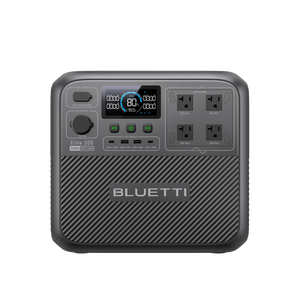
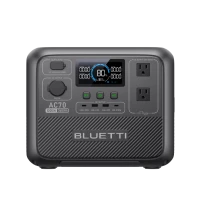
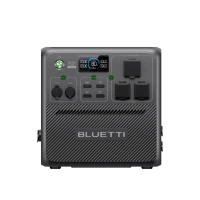
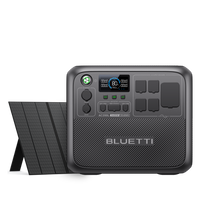
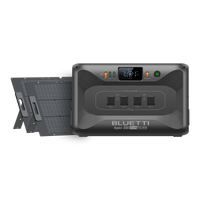
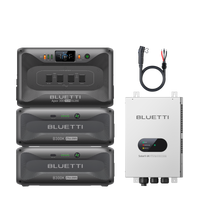
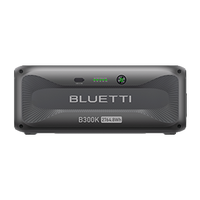
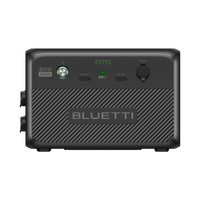
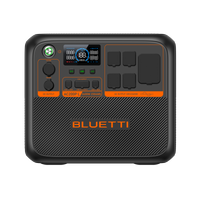
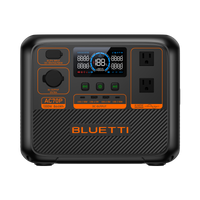
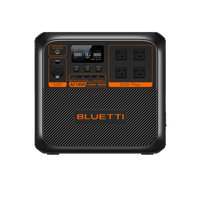
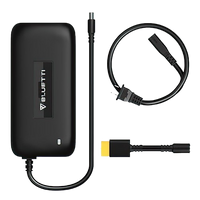
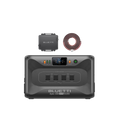
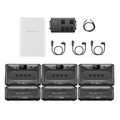
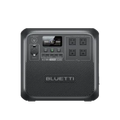
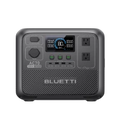
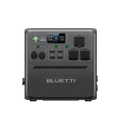
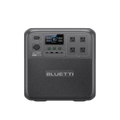
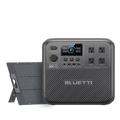
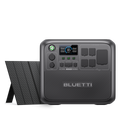
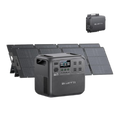
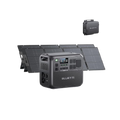
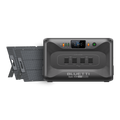
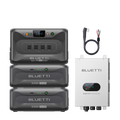
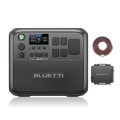
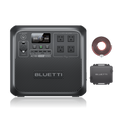
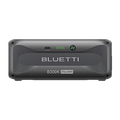
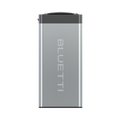
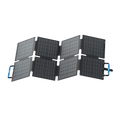
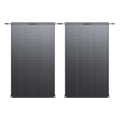
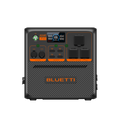
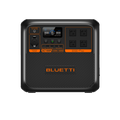
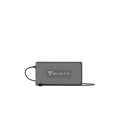
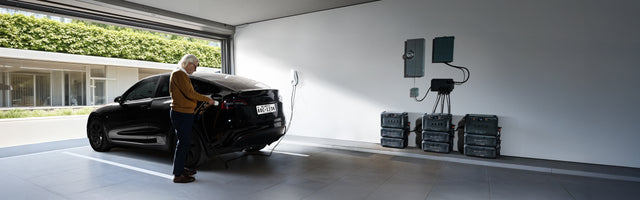
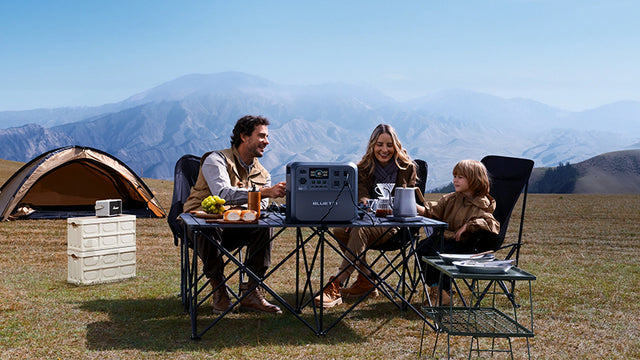
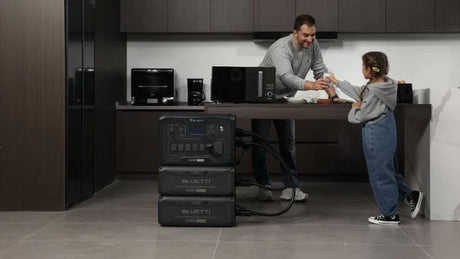
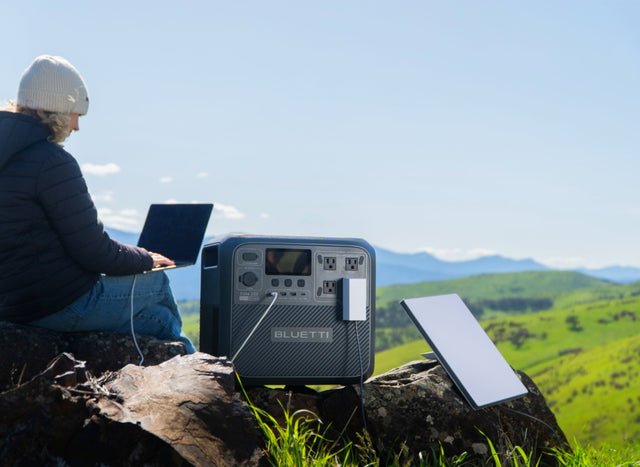
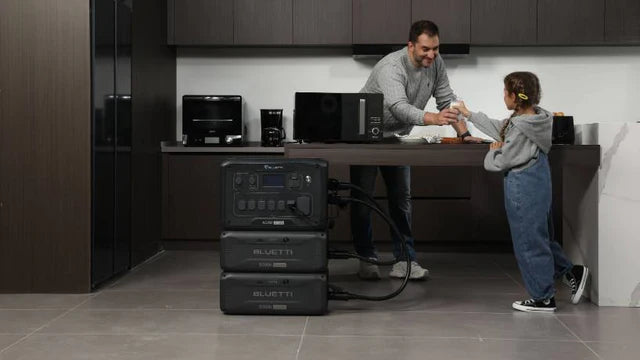
For example, the BLUETTI Apex 300 provides backup power when the power goes out without making any noise. It has a capacity of 2,764.8Wh that can operate your important stuff over a long period of time. It can be charged at up to 2,400 big watts using solar panels. The LiFePO₄ battery has a very long life of 6,000 charge cycles.

Portable Power Stations
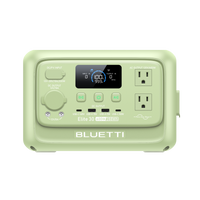
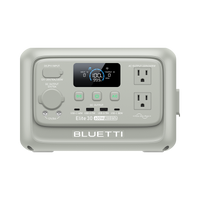
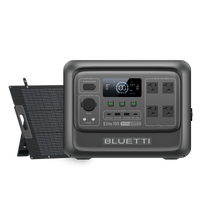
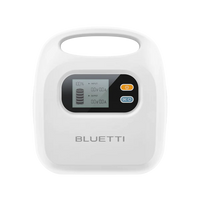
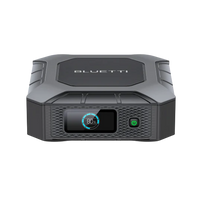
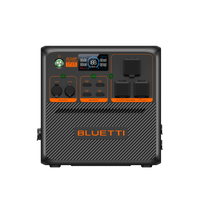
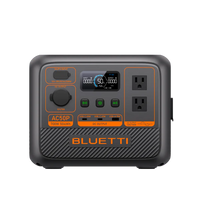
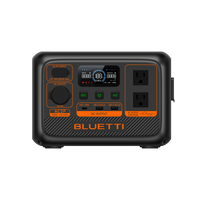
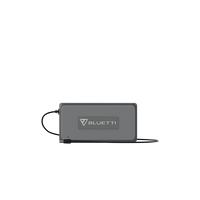
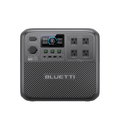
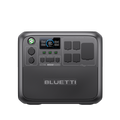
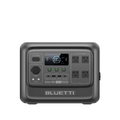
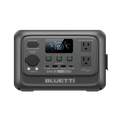
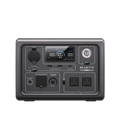
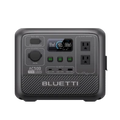
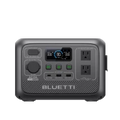
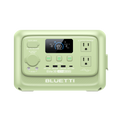
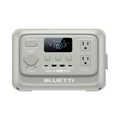
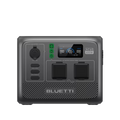
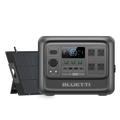
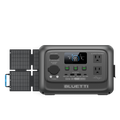
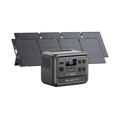
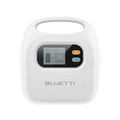
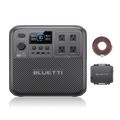
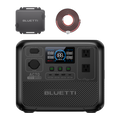
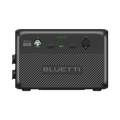
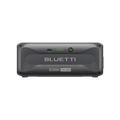
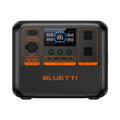
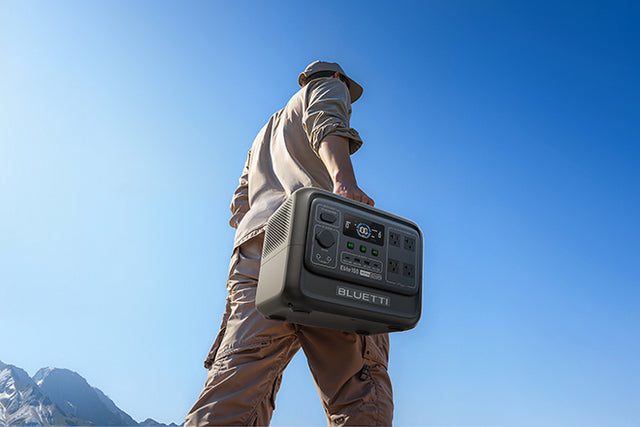
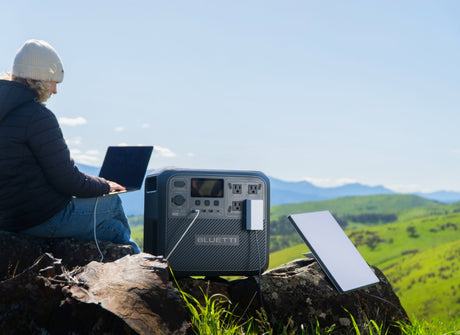
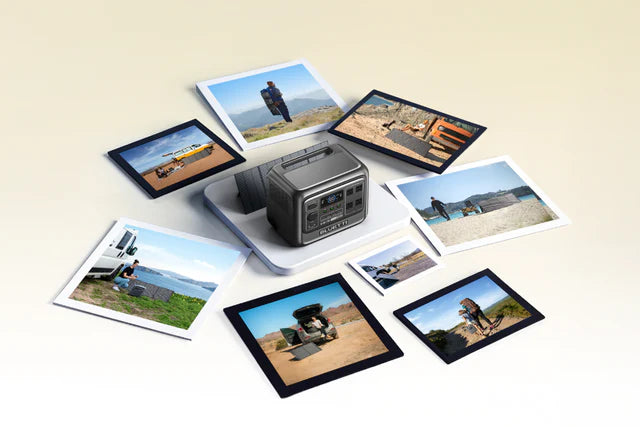
The BLUETTI Elite 100 V2 is compact for portable backup. The 1,024Wh battery is capable of supporting lights, phones, and small things during moments of poor connectivity. It provides 1,800W of 24/7 power, which is useful for many of the things you have in your home. It can also be charged using solar panels when the sun is shining off-grid.

Safety Tips for Your Electrical Panel
Following simple safety practices prevents accidents and damage. Incorporate these habits for family safety.
Never Work on Live Circuits
Before handling any wires, turn off the main breaker or fuse. Only a licensed electrician should handle anything beyond resetting breakers. Working on live power can cause severe injury or death.
Correct Breaker and Fuse Sizing
Every circuit must match its wire size. 15-amp circuits use 14-gauge wire and 15-amp breakers. 20-amp circuits use 12-gauge wire and 20-amp breakers. Never upsize breakers to avoid trips—it creates fire hazards.
Monthly Panel Inspections
Inspect your electrical panel monthly for issues. Check for rust, water, or unusual warmth. Test GFCI and AFCI breakers using their test buttons as recommended.
Distribute Electrical Loads
Smart power use prevents overheating:
- Put high-power devices on separate circuits.
- Avoid running multiple high-draw items on one circuit.
- Balance loads across the panel.
- Limit extension cords for heavy appliances.
Environmental Benefits of Modern Systems
Upgrading your panel supports energy efficiency. It enables integration with clean energy technologies.

Solar Panel Integration
New breaker panels have space for solar inverters and breakers. Old fuse boxes aren't compatible. Upgrading allows you to generate clean power and lower bills.
Reduced Energy Waste
Efficient systems reduce fossil fuel use and emissions.
Supporting Heat Pump Systems
Heat pumps need reliable 240V power for efficient winter heating. Modern panels provide a stable supply, helping cut emissions.
Frequently Asked Questions
- What are the primary differences between circuit breakers and fuses?
Fuses have a metal strip that melts and must be replaced. Circuit breakers trip a switch and reset without replacements.
- Can I replace my fuse panel with circuit breakers?
No, upgrades must be done by a licensed electrician due to high-voltage risks.
- What is the current cost of a panel upgrade in Canada?
Upgrades typically cost $1,500-$3,500, varying by location and complexity.
- Can upgrading lower my insurance costs?
Yes, some insurers offer discounts for breaker panels—check with your provider.
- What is the life expectancy of circuit breakers in Canadian homes?
Quality breakers can last 30 to 40 years with proper maintenance.
- Do I need AFCI and GFCI breakers everywhere in my house?
CEC requires GFCI in wet areas like bathrooms, kitchens, and outdoors. AFCI is mandated for most bedroom and living room circuits.
Conclusion
The choice between breakers and fuses comes down to safety, convenience, and cost. Fuses work but require replacement and carry higher risks. Modern breaker panels cost more upfront but offer better protection. They reduce shock and fire risks beyond what fuses can. In the circuit breaker vs. fuse debate, breakers are preferable for modern homes. If you have fuses, consider upgrading soon. Consult a licensed electrician for options and quotes.


