


















































The displays of the northern lights in Vancouver are not very common, but intense solar storms have the potential to alter that. When charged particles from solar storms collide with Earth's atmosphere, the sky lights up in colours of green, purple, and red. The phenomenon is known as the aurora borealis. This occurs a couple of times per year, primarily during winter. This post shows you the precise time of year to observe the Vancouver aurora, the places to visit, and the manner of taking beautiful shots of this natural spectacle.
Best Times to See Northern Lights in Vancouver
The best opportunity to see the Northern Lights in Vancouver is during winter. The nights are darker and longer.
Best viewing time: 10 PM to 2 AM. The brightest aurora borealis Vancouver displays are at midnight. It takes 20 minutes for you to get used to the dark. Once your eyes adjust, you'll see more detail.
Powerful solar storms move the northern lights down to Vancouver. The Kp index must be 5 or more. The Kp index is used to determine the strength of a solar storm. Imagine it like a scale between 0 and 9. The bigger the numbers, the more intense the storms and the brighter the lights.
What's Required for Excellent Viewing
- Clear skies: No clouds should be in your way.
- Kp index: 5 or more (6 or more when it comes to overhead curtains).
- Dark moon: A night of the new moon is the best.
- Dark places: Escape from the lights of the city.
- Solar wind: The wind speed that exceeds 400 km/s is beneficial.
The Best Places to See the Lights Around Vancouver

City lights take the lead in blocking faint auroras. You must prioritize dark places with northern-based views. These are the ideal locations near the city of Vancouver for the aurora borealis:
-
Porteau Cove Provincial Park
Drive time: 45 minutes North on Highway 99.
The reason why it is the best: It is the number one spot around Vancouver for northern lights. It faces the water on Howe Sound and has clear views to the north. The lights reflect well on the water to achieve wonderful shots.
Note: The day-use area will be shut down at 11 PM. So, book a campsite in case you would like to stay longer.
-
Spanish Banks Beach
Drive time: 15 minutes from downtown.
Known for: Excellent spot for short journeys in case you receive a late Vancouver aurora alert.
You can view northward over English Bay. The lights of the city dim it as compared to other places. The parking lot is shut at 10 PM, so be there early enough.
-
Cypress Mountain Lookout
Drive time: 30 minutes
Why go there: You are higher there, and thus, you have less of a view of the city lights. The northern view is broad for northern lights Vancouver sightings. The roads can ice up in the wintertime. Thus, you must have winter tires between October and March.
-
Iona Beach Regional Park
Drive time: 30 minutes
Specialty: There is a long jetty into the Fraser River. This takes you far from town lights for the aurora borealis viewing in Vancouver, Canada.
Note: The seasonal hours of the park differ. Winter closes at 5 PM, while summer goes all the way to 10 PM. So, remember to check the gate timings displayed at the gate entrance.
-
Farm Areas

The flat farmlands in Pitt Meadows, Ladner, and Delta have darker skies for northern lights. You obtain open sights in the north. These spots are excellent when making last-minute trips, when the forecasts are better towards the end of the evening.
| Location | Drive Time | How Dark | Best Thing |
| Porteau Cove | 45 min | Very Dark | Water views |
| Cypress Mountain | 30 min | Dark | High up |
| Pitt Meadows | 45 min | Dark | Easy to reach |
| Spanish Banks | 15 min | Some Light | Close to the city |
What to Bring for Memorable Aurora Views
After the middle of the winter night, it gets very cold. It may take hours before the northern lights in Vancouver come on. So, be smart when packing to be comfortable.
Your Gear List:
- Warm clothes: Layer up. Temperatures fall to -5°C or even lower.
- Winter boots: You have to keep your feet warm for those long waits.
- Gloves and hat: Keep your body warm.
- Blankets: Added warmth in the waiting area.
- Red headlamp: It preserves your night vision.
- Folding chair: Sit rather than standing.
- Hot beverages: Thermos tea or coffee.
- Additional batteries: Cold drains batteries twice as fast.
- Memory cards: Store thousands of pictures.
Stay Safe:
Ice forms up along the mountain roads overnight. Highway 99 has a law that requires winter tires between the months of October and March. Inform somebody of where you will be going and when you will be returning. Look into or check road conditions at DriveBC.ca before you go.
Important to note: The lights usually appear faint or grey to the eye. But your camera captures vibrant purples and greens. Take sample photos even in cases where you do not see much. You may well be surprised at what appears.
Power Stations To Carry for Remote Viewing
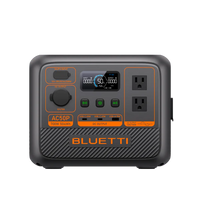
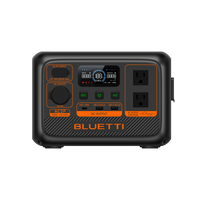
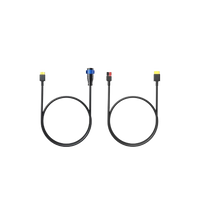
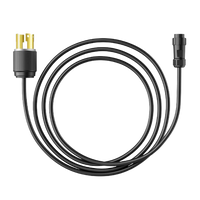
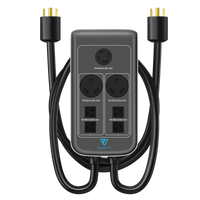
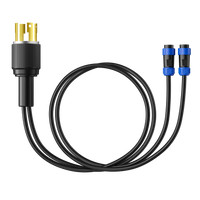
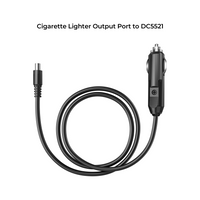
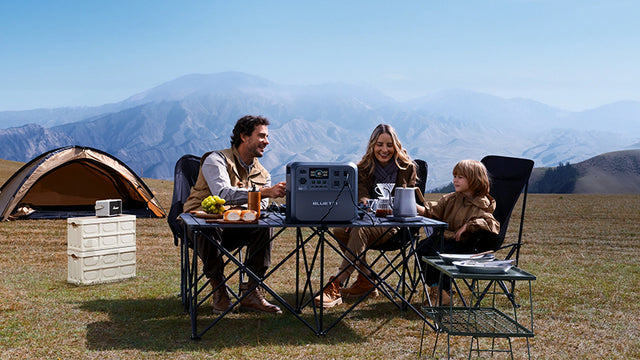
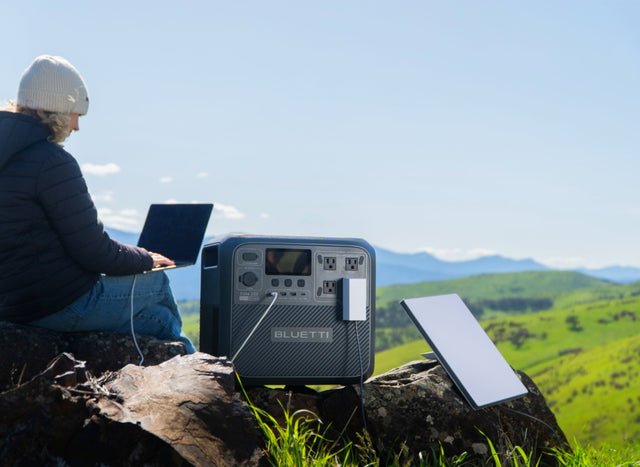
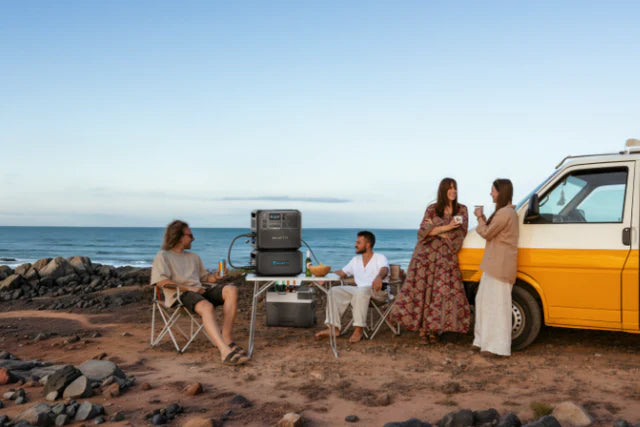
There are no power points in remote places when viewing the northern lights. Cameras and phones drain easily in the cold. The solution to this issue is power stations, which keep you charged up all night.
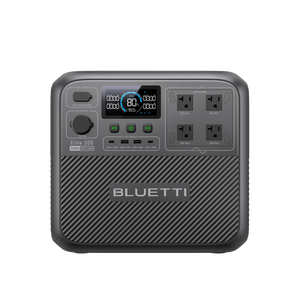
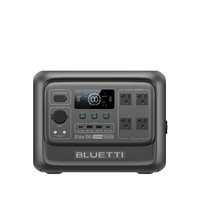
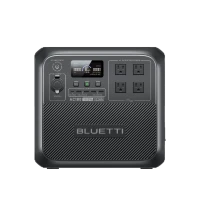
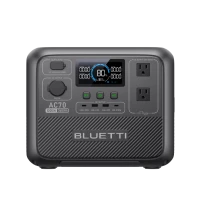
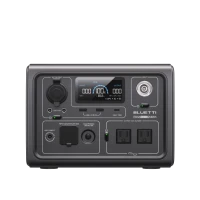
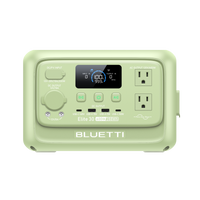
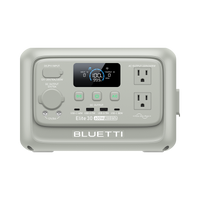
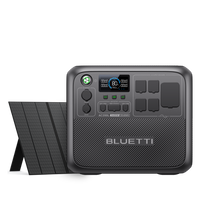
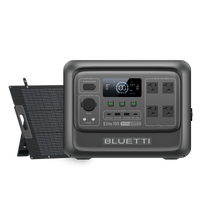
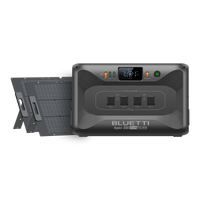
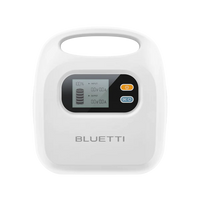
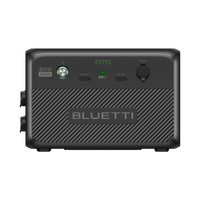
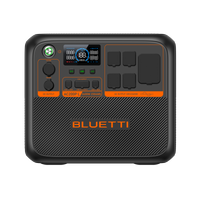
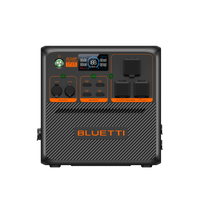
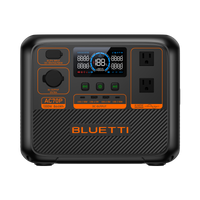
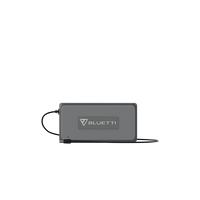
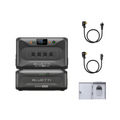
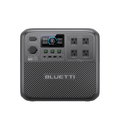
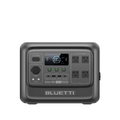
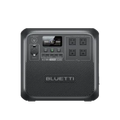
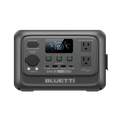
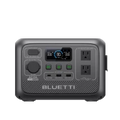
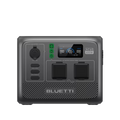
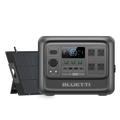
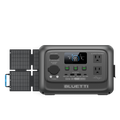
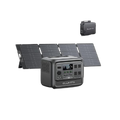
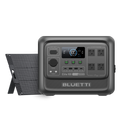
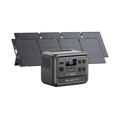
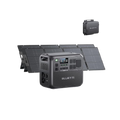
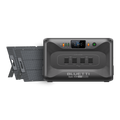
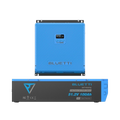
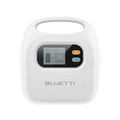
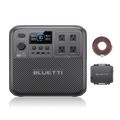
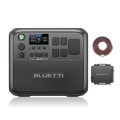
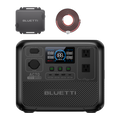
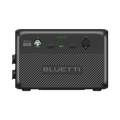
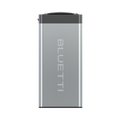
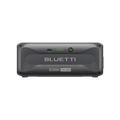
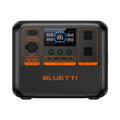
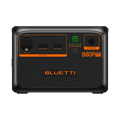
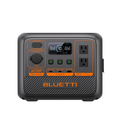
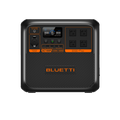
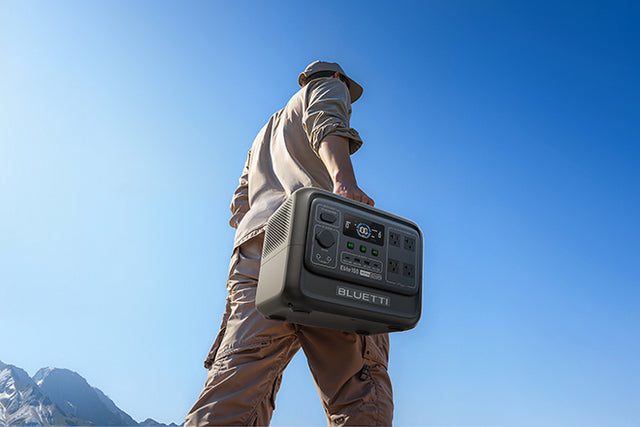
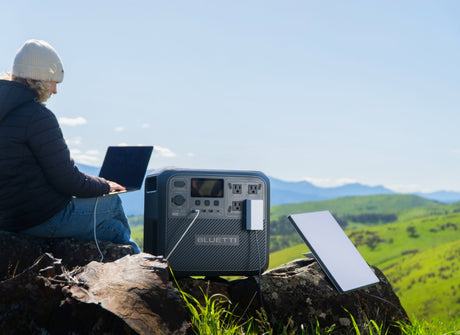
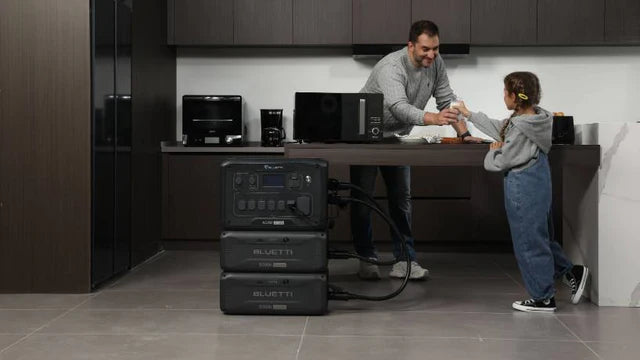
BLUETTI Elite 100 V2
- Battery Volume: 1,024Wh
- Power Output: 1,800W
- Weight: 11.5 kg.

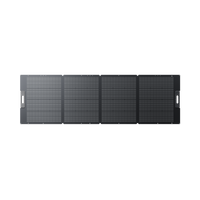
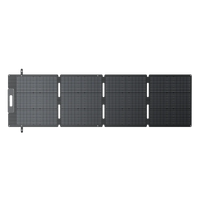
Your cameras are charged multiple times by this unit. It is also able to charge small heaters to keep you warm whenever you have to wait a long time for the aurora borealis in Vancouver. The 1800W power station is used to energize lights and devices simultaneously. Also, it's entirely charged in 70 minutes during the day with solar panels.
Overall, it's great for weekend trips to see the northern lights in Vancouver. Fits easily in your car trunk. Supports silent operations, meaning it'll not disrupt peace.
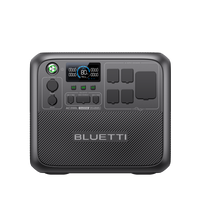
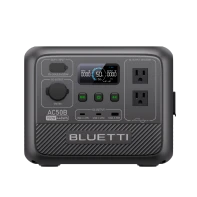
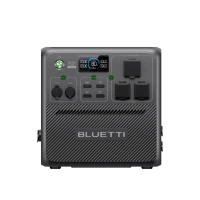
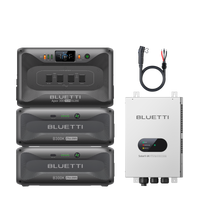
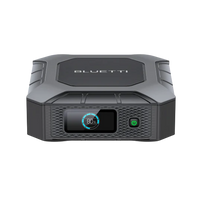
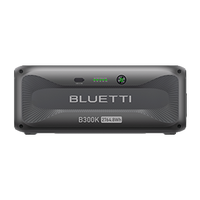
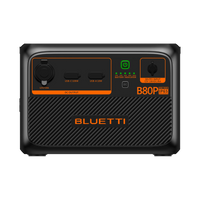
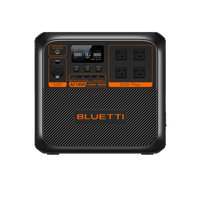
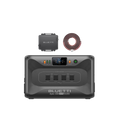
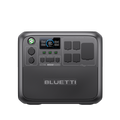
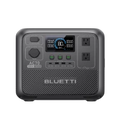
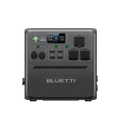
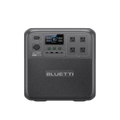
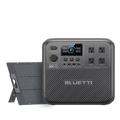
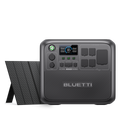
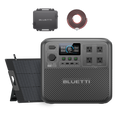
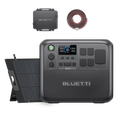
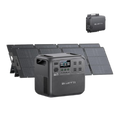
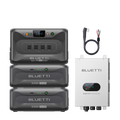
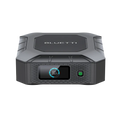
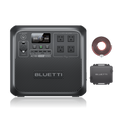
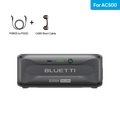
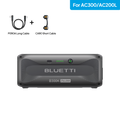
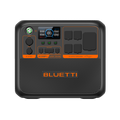
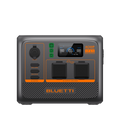
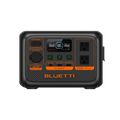
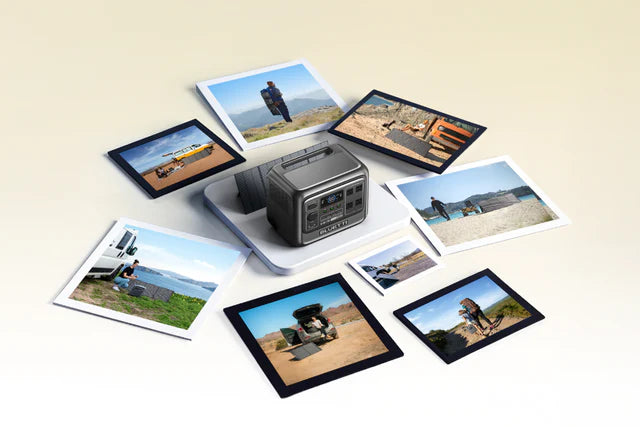
BLUETTI Apex 300
- Battery size: 2,764.8Wh
- Power output: 3,840W

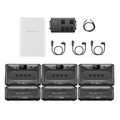
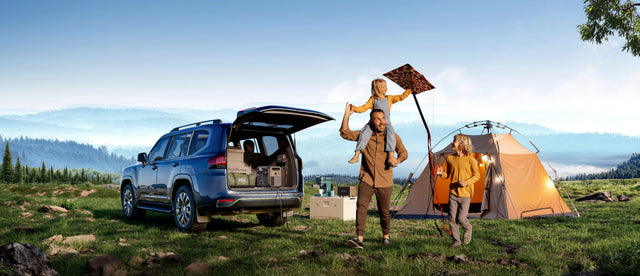
This Apex 300 power station operates on multi-night trips for Vancouver aurora viewing. It takes a number of nights before it needs refilling. Besides, extra batteries can be added to increase the runtime. During the day, it's charged by solar panels. Finally, it's much quieter than noisy gas generators.
| Power Station | Battery | Output | Best For |
| Elite 100 V2 | 1,024Wh | 1,800W | Weekend trips |
| Apex 300 | 2,764.8Wh | 3,840W | Long trips |
How to Photograph the Northern Lights
The phone cameras can never cope with the dark for the aurora borealis. A real camera works well - DSLR or mirrorless is the most preferred.
Camera Gear You Need:
- Wide lens: f/2.8 or more will admit more light.
- Durable tripod: Holds the camera in place.
- Remote shutter release: To prevent camera shake.
- Additional batteries: Cold conditions reduce the battery life by half.
Camera Settings:
Switch the camera to Manual mode. Here's your starting point:
- Aperture: f/2.8 or wider (f/1.4 to f/2.0 is the most preferred).
- ISO: Set at 3200; adjust between 1600 and 6400 as needed.
- Shutter: 1-20 seconds (bright lights require less time)
- Focus: Set to infinity (disable auto-focus)
- File type: A RAW file is best to edit.
Taking Great Photos:
Colors that you cannot see are very visible to your camera. Faint grey clouds are bright green in photographs. Magic occurs on a screen that you can miss with your eyes.
Take shots close to water to have beautiful reflections of the northern lights in Vancouver. Test your settings on for a test before the lights become bright. The aurora varies the brightness suddenly, so it's recommended to adjust while going. Just take a few shots at various settings so that you do not miss the best of it. Take bursts of 3-5 photos for each setup.
Winter hints: Have extra batteries. Keep them warm in the inside pockets of your jackets. It's common to see lenses fogging when moving between your warm vehicle and cold air. So, take a microfiber cloth to wipe fog quickly. Keep those cloths in convenient or easy-to-access pockets.
Tools to Predict the Lights

Great predictions make you organize exceptional trips to see the northern lights. These applications and websites tell when the storms are approaching.
Best Resources:
- Aurora Forecast app: Receive notifications on your phone about your locality for the aurora borealis in Vancouver, Canada.
- NOAA Space Weather Centre: Government predictions and warnings about storms.
- Space Weather Canada: Forecasts in Canada.
- University of Alaska: Maps of the locations where lights are to appear.
- Space Weather Live: Real-time solar wind information.
- BC Aurora Chasers Facebook: Local Facebook group/community that shares live northern lights Vancouver sightings.
Look at the weather forecast and the aurora forecast. Even the most powerful auroras can become hard to see because of the clouds blocking them. Mountain regions have clearer skies than coastal Vancouver usually.
Common Questions
-
What is the most appropriate time to view the lights?
The most appropriate time to see northern lights in Vancouver is from 10 PM to 2 AM, and the best moment is midnight. Get access to the storm notifications by checking the aurora forecasts. The longest dark periods occur during the winter months (December to March). Strong displays can also be a surprise during autumn.
-
Would I be able to see them from downtown Vancouver?
Quite powerful storms (Kp 5 or more) appear from Stanley Park or Burnaby Mountain. But the lights of cities dim them down. Better opportunities are in going to Porteau Cove or farm lands for the aurora borealis. The darker the place, the better you can see.
-
What KP number do I need?
A minimum of Kp 5 may have a slight green light out on the horizon. Kp 6+ forms bright curtains in the sky with different colours for the Vancouver aurora. The further north you go in BC, the less Kp you require. At Fort St. John, even Kp 3 gives auroras.
-
How long do the lights last?
They may last 10 minutes or hours. All night, the brightness rises up and down like waves. Plan on spending 3-4 hours outdoors in order to capture the best times of the aurora borealis in Vancouver, Canada. Patience is the key. The lights may seem dull at first and then burst forth in colour and movement.
Shop products from this article
You May Also Like

Explore Canada This Winter with the Canada Strong Pass and Save Big

Le coût de la vie en camping-car à temps plein au Canada
L'article présente une ventilation de tous les coûts détaillés associés à la vie en camping-car à temps plein au Canada : de l'achat d'un camping-car au carburant, à la nourriture et...

À quelle période de l’année les camping-cars sont-ils les moins chers ?
Cet article explique quand les VR sont les moins chers en fonction de raisons importantes telles que les périodes clés, des conseils sur la négociation d'accords et d'autres considérations importantes...


