



























































Summers in Canada are becoming warmer every year. Many cities are experiencing hotter and more prolonged heatwaves compared to previous years. Areas such as Toronto, Montreal, Vancouver, Winnipeg, and certain regions in the Atlantic area are experiencing warmer temperatures with each passing year. Understanding how many watts an air conditioner uses helps families manage rising energy costs. As a result, more families than before are requiring air conditioners in their homes to stay cool.

As of 2025, an estimated 68% of homes in Canada have some type of air conditioner. A few years ago, these numbers did not exceed 64%. Even in Ontario, the figure is higher, with nearly 83% of homes having some type of air conditioner. More Canadians are using these air conditioners, and many have noticed why their power bills spike during hot weather. Start by understanding the wattage consumption of your specific air conditioner unit type.
What's a Watt?
A watt is a measurement of the power consumed by an object at any given instant. If your AC is on for several minutes or perhaps several hours, then the watts consumed combine to make what is called kilowatt-hours (kWh). This is what shows up on your electricity bill. By understanding what watts and kWh are, you'll be able to determine the energy consumption of your AC, as well as ways to reduce your energy costs.
By reading on, you will understand the wattage consumed by different types of air conditioners, the factors that affect their energy use, and tips to reduce your energy bill. Additionally, you will learn about backup power stations, which will provide you with power during an outage to operate your AC.
Four Main Varieties Of Air Conditioners
Most houses in Canada employ one of the four common types of air conditioners. All four have different sizes, designs, power, and air conditioning unit wattage requirements.

-
Central Air Conditioners
These kinds of air conditioners are common in many suburban homes. It has a large outdoor unit that cools the air and distributes it to different parts of the house via ductwork in walls and ceilings. It is powerful enough to cool an entire home at once.
-
Window Air Conditioners
These fit into a window frame. These will cool one room or a small space. Many apartment dwellers utilize these, which are ideal for bedrooms or living rooms.
-
Portable Air Conditioners
These are floor models with a hose to blow hot air out. They are portable from one room to another. These are not difficult to set up, though they consume more power than window units.
-
Ductless Mini-Split Systems
These are mounted high on a wall in your home. They have a small unit outside that blows cool air via a slim tube, not a large duct. They are noiseless, energy-efficient, and ideal for older houses or those without ducting.
Although all of them cool the air, each one uses different amounts of power.
What Makes an Air Conditioner Use More or Less Power?
Several factors determine an air conditioner's watt consumption for any unit. These are some of the most crucial:
-
Size (BTU or ton)
AC capacity is typically measured in BTUs or tons.
- 1 ton = 12,000 BTU
- A small-room AC could be 8,000 BTU.
- Some houses have 3-ton systems, which equals 36,000 BTU.
More powerful ACs require more watts.
-
SEER2 Efficiency Rating
ACs have something called SEER2. This means the higher the value, the less electrical energy the AC consumes. By 2025, new ACs sold in Canada will have to be at least:
- 13.4 SEER2 for air conditioning
- 14.3 SEER2 for heat pumps
More advanced models with higher SEER2 ratings consume significantly less power.
-
Weather Conditions
Hot days extend running cycles for your AC. High humidity means increased effort is required to condense water. It leads to higher air conditioner watt consumption.
-
Home Insulation
Well-sealed homes keep cool air in and prevent leaks. Homes with leaks or inefficient insulation will leak air, causing your AC to work too hard. Leaky ductwork leads to a 20 to 30% loss of cool air.
-
Thermostat Settings
If you lower the temperature, your AC will have to work even harder. Every degree below a comfortable setting like 24°C costs 6-10% more to cool.
-
Maintenance
A dirty filter and clogged coils force your AC to work too hard. It could increase your energy consumption by 5-15 percent. Keeping all clean will reduce watts.
How Many Watts Do Air Conditioners Use?

Below are the typical power output levels for common AC types currently available on the market. Understanding the wattage requirements of various air conditioner types helps you calculate costs accurately. These figures indicate typical running watts (not peak power during start-up).
| Type | Common Size | Typical Watts | High-Efficiency Watts | Best For |
| Central | 2 tons | 1,800–2,400 W | 1,500–2,000 W | Small homes |
| Central | 3 tons | 2,500–3,600 W | 2,200–3,000 W | Most houses |
| Central | 5 tons | 4,500–5,500 W | 3,800–4,500 W | Large homes |
| Window | 8–10k BTU | 700–1,000 W | 600–900 W | Bedrooms |
| Window | 12–18k BTU | 1,200–1,800 W | 1,000–1,500 W | Larger rooms |
| Portable | 10–14k BTU | 1,200–2,000 W | 1,000–1,800 W | Renters |
| Mini-Split | 9–12k BTU | 600–1,200 W | 400–900 W | Small spaces |
| Multi-Zone | 24k BTU | 1,800–2,800 W | 1,400–2,200 W | Homes without ducts |
Mini-splits with inverter technology tend to use fewer watts once the room has cooled due to their ability to slow down instead of turning off.
How Much Electricity for Cooling Do Homes Consume?
Cooling use varies from region to region, given the vastly different climates in Canada.
- Southern Ontario: Consumption could range from 2,000 to 5,000 kWh during hot months.
- British Columbia Coast: Consumption could be as low as a few hundred kWh.
- Atlantic Provinces: Lower demand for cooling during warmer months.
- National average in Canada: Households with air conditioning typically require 1,800 to 2,500 kWh of electricity annually during the summer in hotter regions.
Bigger houses, older houses, or houses with inadequate insulation typically consume more energy.
How to Find Your Own AC Cost
It's a simple math calculation to calculate your individual cost to cool and understand the air conditioning unit's wattage impact on bills:
- Watts ÷ 1,000 = kW
- kW × hours of use = daily kWh
- Daily kWh x 30 = Monthly kWh
- Monthly kWh consumed x Your electric rate = Your bill
Example One
3-ton AC consuming 3,000 W
- 3,000 W = 3 kW
- 3 kW x 8 hours = 24 kWh/day
- 24 x 30 = 720 kWh/month
Costs:
- Ontario at 16.9¢/kWh equals $122/month
- Quebec at 7.8¢/kWh equals $56/month
Example Two
800W Window AC
- 0.8 kW x 8 hours = 6.4 kWh/day
- 6.4 x 30 = 192 kWh/month
The cost generally ranges from $15 to $38/month, depending on the province.
How to Consume Less Watts to Save Money

You can reduce your cooling costs without feeling warmer. Here are some tips to lower the air conditioner's watt consumption:
- Change filters every month during the summer.
- Have your AC checked each year.
- Seal windows, doors, and ductwork to eliminate leaks.
- Utilize ceiling fans to distribute cooled air throughout the room.
- Close all blinds and curtains during sunny days.
- Set a schedule using a smart thermostat.
- Turn the thermostat up slightly when you leave or use programmable settings.
These small measures can result in reductions of 15-35% in cooling energy.
Backup Power Stations
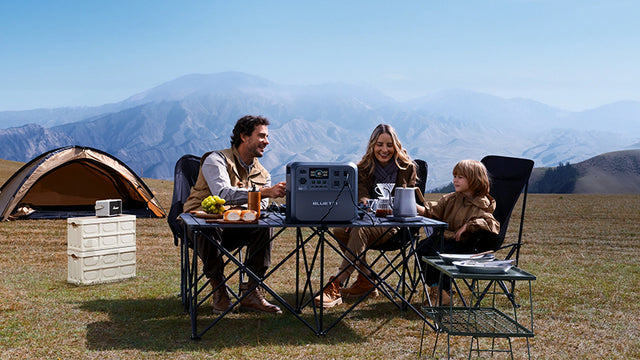
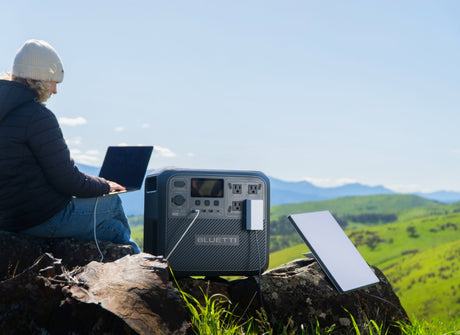
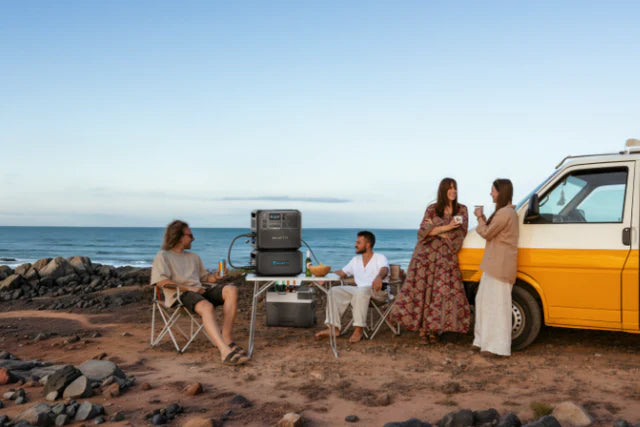
Thunderstorms and high winds could result in power outages in many areas of Canada. A power station could be what you need to keep cool in case of an outage while also managing the air conditioner's wattage consumption.
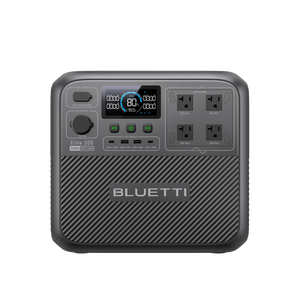
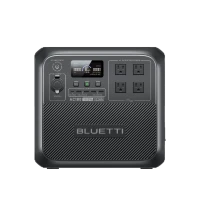
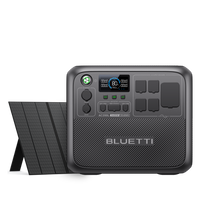
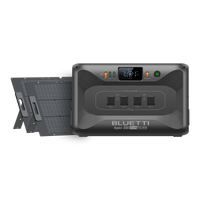
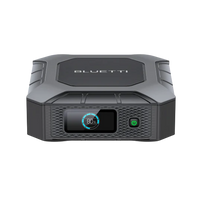
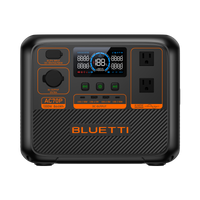
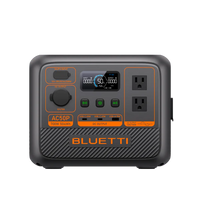
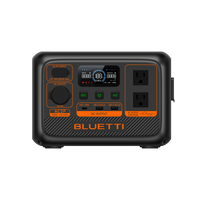
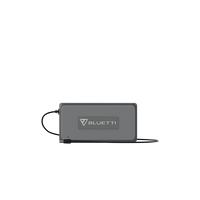
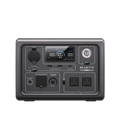
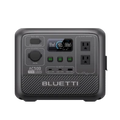
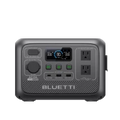
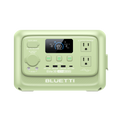
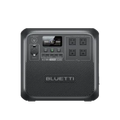
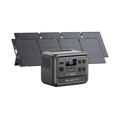
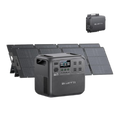
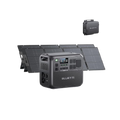
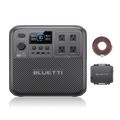
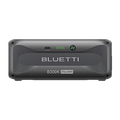
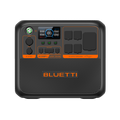
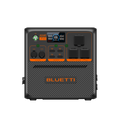
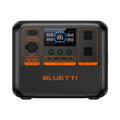
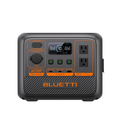
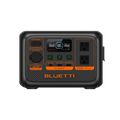
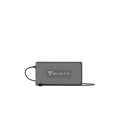
BLUETTI Elite 200 V2
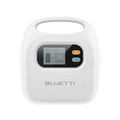
- 2,073.6 Wh capacity
- 2,600 W continuous power

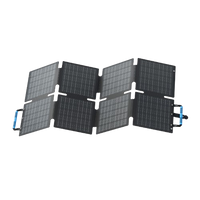
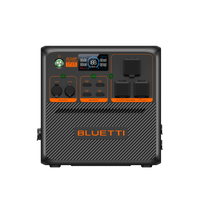
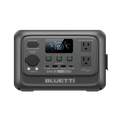
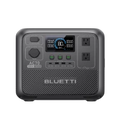
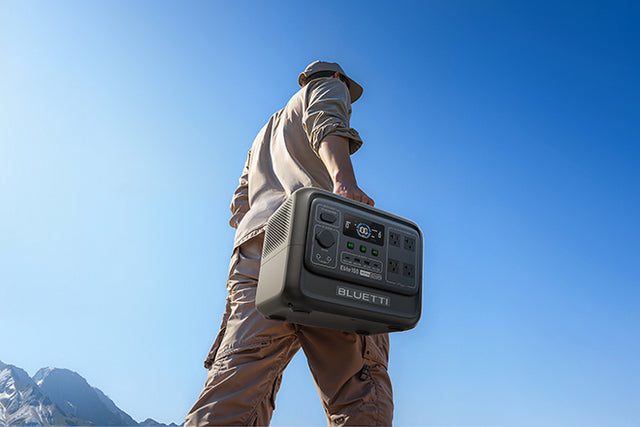
The Elite 200 V2 is ideal to use with window-unit ACs, portable ACs, or mini-split ACs. It has enough capacity to power a 1,000-watt window-unit AC for about two hours. It's noiseless, doesn't produce any fumes, and there's no issue with charging, as it's possible to charge it with solar panels.
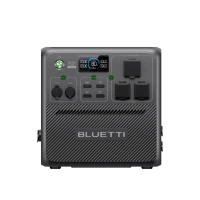
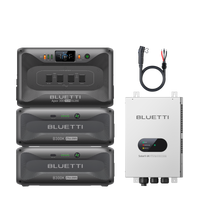
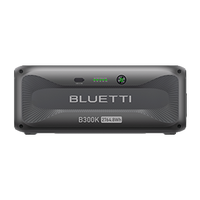
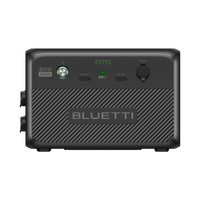
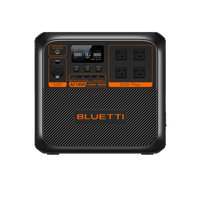
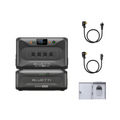
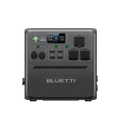
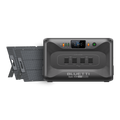
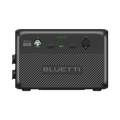
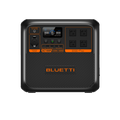
BLUETTI Apex 300
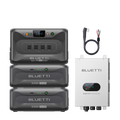
- 2,764.8 Wh base (expandable to 58 kWh)
- 3,840 W continuous (7,680 W surge)

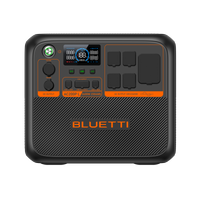
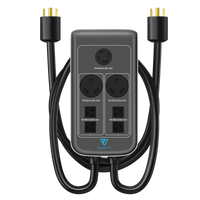
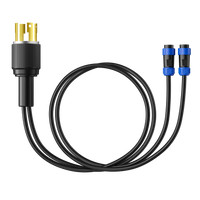
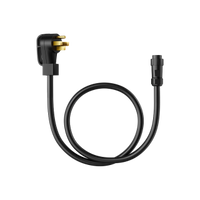
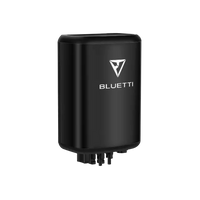
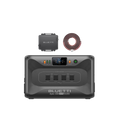
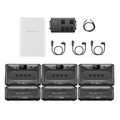
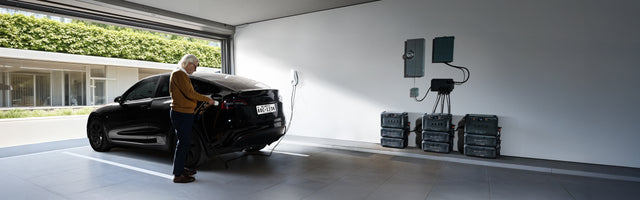
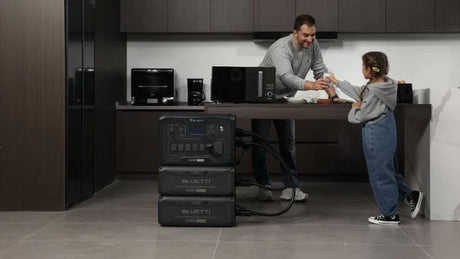
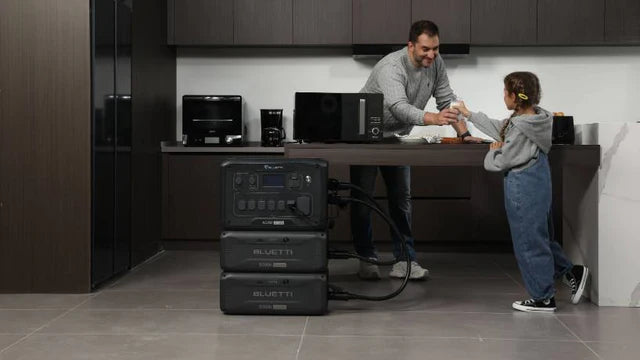
The Apex 300 has the power to support central air systems, considering the number of watts an air conditioner uses. It will be able to support a 3-ton air conditioner for about 45 to 90 minutes in its base model with its battery. It features an instant start in UPS mode in the event of a power loss, which is particularly beneficial in locations with frequent power outages.
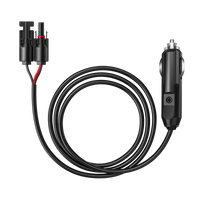
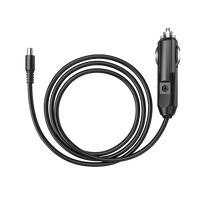
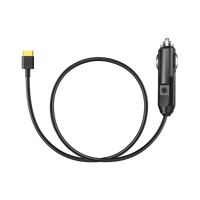
These two BLUETTI systems come with long-life LiFePO₄ batteries. They can be recharged from a power outlet, a car, or solar panels. These systems are clean and noiseless and provide relief in extreme summer months.
Common Questions
- How many watts will it consume?
Most home ACs with a capacity of typically 3 tons use 2,500-3,500 watts. Understanding the wattage of an air conditioning unit helps plan an energy budget.
- Would it be less expensive to simply leave it on?
No. Turn up the temp while you're away.
- Are heat pumps better?
Yes. Heat pumps remove heat more efficiently, with energy savings of 30-50% in cooling.
- How about insulation?
It really works. A sealed home can save 20-40% on cooling costs.
Final Thoughts
Currently, air conditioners in Canada consume anywhere from 500 to 5,500 watts, depending on their capacity/type. Knowing how many watts an air conditioner uses is very crucial. It mainly helps you budget effectively. A residential 3-ton air conditioner uses nearly 2,500-3,500 watts. Smaller air conditioners, such as mini-splits, use less than 1,200 watts. Now that you know the air conditioner's watt consumption and the wattage of your air conditioning unit for your home, you can make informed choices to save money on your energy bills while staying cool.
Filter maintenance, leak repairs, and energy-saving modes on your smart thermostat can help you save a significant amount of energy. A backup power station, such as the BLUETTI Elite 200 V2 or Apex 300, will enable you to have power for your AC during any outage. Taking a few easy steps will enable you to enjoy comfort, save money, and stay safe throughout the hot summers in Canada.


