

























































































































Canadians are experiencing larger storms than ever before. The November 2024 bomb cyclone struck British Columbia with a maximum wind of 170 km/h. This resulted in power outages for over 270,000 households across the region. Trees toppled like dominoes across Vancouver Island and coastal towns. Knowledge about these major weather events can keep you safe when trouble hits.
Understanding Bomb Cyclones
When storms intensify very quickly, meteorologists use special terms to describe them. These storms pose great threats throughout Canada annually, with little or no prior notice.
What Makes a Storm a Bomb Cyclone
A bomb cyclone is formed when air pressure decreases extremely rapidly over a short period. Specifically, the pressure must decrease by at least 24 millibars within 24 hours. This rapid decrease is known as bombogenesis among weather experts. Think of it as a rapid low-pressure system forming in the atmosphere, drawing in winds from all directions to fill the void. These rushing winds create the powerful storm that can cause widespread damage.
Such storms result from the collision of cold Arctic air and warm ocean air. The contrast between the hot and cold air fuels the quick growth.
How They Differ from Regular Storms
Regular winter storms develop gradually over several days and across wide areas. In contrast, a bomb cyclone can intensify to full force in less than 24 hours. This rapid development leaves individuals with little time to prepare for a significant threat.
Where These Storms Hit Canada

In North America, approximately 18 bomb cyclones occur annually. The coastal parts of Canada are struck by many of these severe storms. These large winter storms strike Atlantic Canada the most during any season. Warm water mixes with cold air along our coast to create ideal storm conditions. The Maritimes, Nova Scotia, and Newfoundland experience these storms annually during winter.
Pacific bomb cyclones also affect the British Columbia coast every year. An atmospheric river in 2021 caused severe floods in southern BC. The November 2024 storm left over 270,000 people without power.
How Bomb Cyclones Form

Knowing how they form allows you to recognize when danger might hit your area. These storms are powered by significant energy from large temperature differences between air masses. In the far north, Arctic air may be as low as -20 degrees. Ocean air nearby might be around +10 degrees. That 30-degree difference releases tremendous energy into the storm system.
Canada is most at risk from October to March when bomb cyclones are most common. The highest number of storms in our entire country occurs in December and January.
Dangers That Bomb Cyclones Bring
Such storms damage lives and property in numerous ways across regions. By understanding the dangers, you can prepare effectively before the storm.
Extreme Wind Damage
In these bomb cyclones, wind speeds of over 100 km/h are common. The highest winds can exceed 150 km/h in exposed areas. Strong winds can snap trees like twigs. Power poles can topple onto roads and crush cars. Roofs may lose sections, exposing houses to rain and snowfall. Flying debris can be lethal to anyone caught outdoors during peak gusts.
Power Outages That Last Days
This is one of the greatest threats to life in modern times, particularly in rural towns. The 2024 BC bomb cyclone left over 270,000 people without power. In some regions, power outages lasted 3-5 days.
No electricity means no heat, causing homes to freeze quickly. Electric stoves can't be used to prepare food or boil water, and without power, food spoils in refrigerators after 4-6 hours if doors remain closed. Phones can run out of battery, and you cannot call for help.
Heavy Snow and Flooding
When it is cold, expect large amounts of snow in a short time. These storms can dump 30 to 50 centimetres within 24 hours. Blizzard conditions create near-zero visibility on roads due to blowing snow. On the warmer side of the storm, heavy rain, not snow, falls. In November 2021, nearly 300 millimetres fell during the atmospheric river in BC. Rivers overflowed rapidly, flooding towns and farms without much warning. Landslides washed away roads, isolating communities from outside help.
Coastal Storm Surge
Low pressure pulls ocean water upward like a vacuum. Strong winds then push this water into large waves onto the shore. In 2022, the Atlantic Canada coast experienced up to 3-meter surges during Hurricane Fiona. Significant wave heights reached up to 17 meters. Seaside highways were eroded, and communities remained isolated for days after the storm.
Preparing Your Home and Family
Smart preparation can turn a crisis into a manageable situation. Prepare for the storm season every fall before it starts.
Build a 72-Hour Emergency Kit
You must have supplies that will last for at least 3 days without electricity. These essentials will keep you safe, fed, and warm:
|
Category |
Items |
|
Water |
4 litres per person per day for 3 days |
|
Food |
Canned foods, granola bars, dried fruits |
|
Tools |
Can opener, flashlights, spare batteries |
|
Radio |
Battery-powered radio for weather updates |
|
Medical |
First aid kit, 7-day supply of medications |
|
Warmth |
Blankets, sleeping bags, warm clothes |
|
Papers |
Copies of insurance and ID in waterproof bags |
|
Cash |
Small bills, as ATMs may not work |
Secure Your Property Before Storms
Powerful winds can blow away loose objects. Inspect your property before storms arrive. Store patio furniture in the garage or shed. Secure garbage cans and grills with ropes or chains. Tie down or disassemble trampolines before the wind arrives.
Inspect your roof for loose shingles before winter. Trim branches from trees near your house that may fall. Clean gutters to ensure proper drainage.
Create a Family Communication Plan
During major storms, phone networks often fail due to damaged towers. Designate a single out-of-town contact that everyone in the family can reach. In case of separation, everyone calls or texts this person to report their status. Text messages often work when calls cannot connect. Include phone numbers on paper in your emergency kit.
Familiarize yourself with evacuation routes in your area during good weather. Have a backup plan in case primary routes are blocked. Always keep your car tank at least half full during storm season.
Power Backup Solutions
Reliable backup power can make a big difference during outages. Modern systems provide safe, clean power without harmful fumes.
Why You Need Backup Power
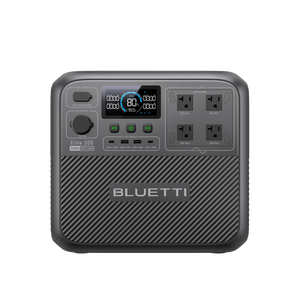
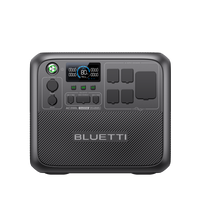
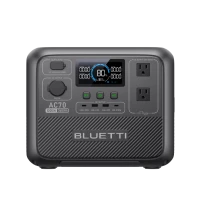
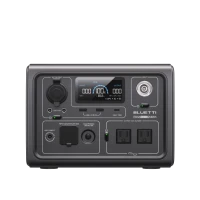
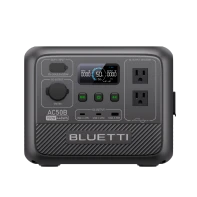
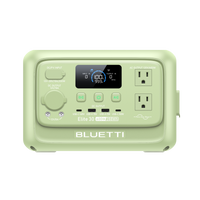
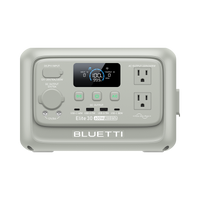
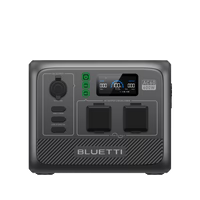
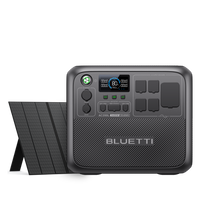
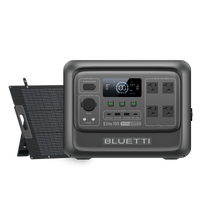
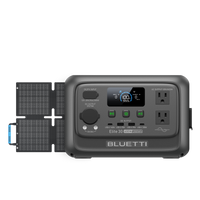
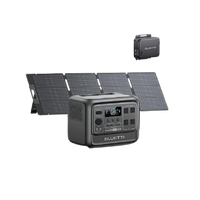
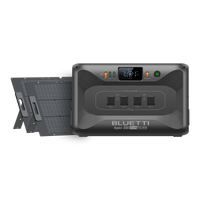
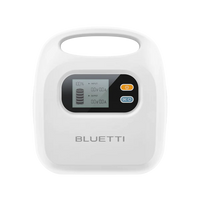
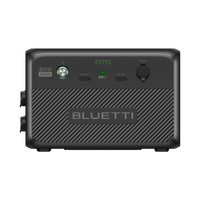
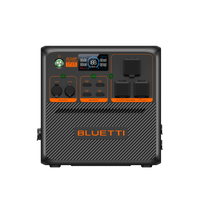
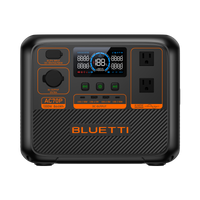
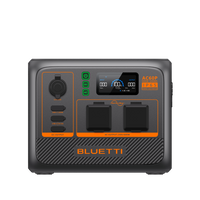
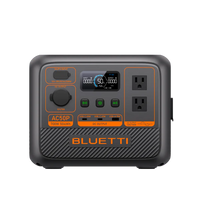
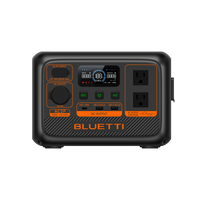
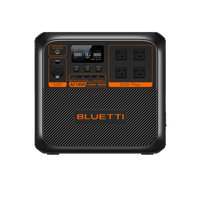
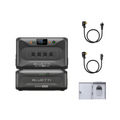
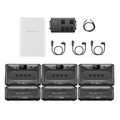
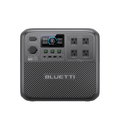
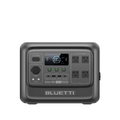
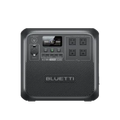
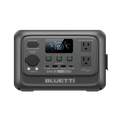
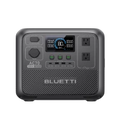
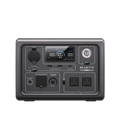
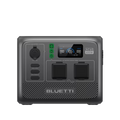
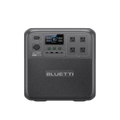
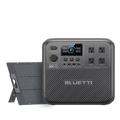
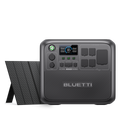
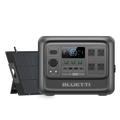
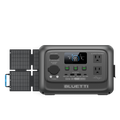
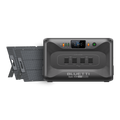
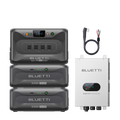
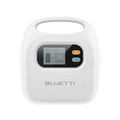
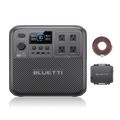
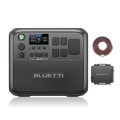
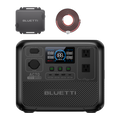
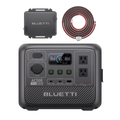
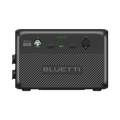
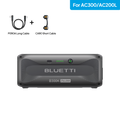
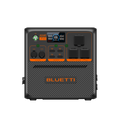
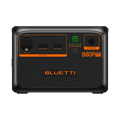
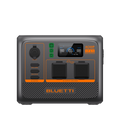
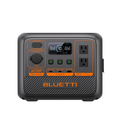
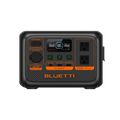
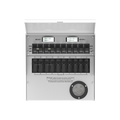
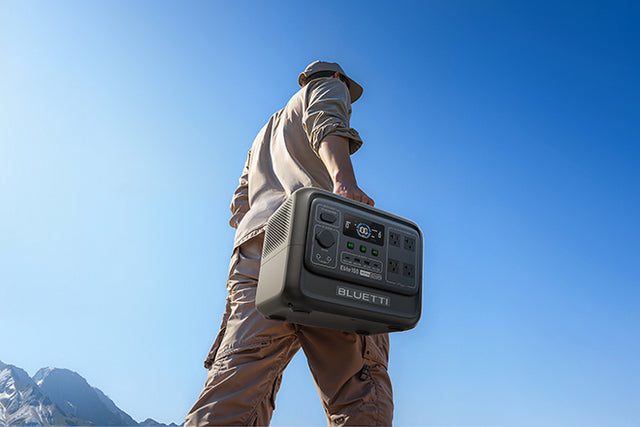
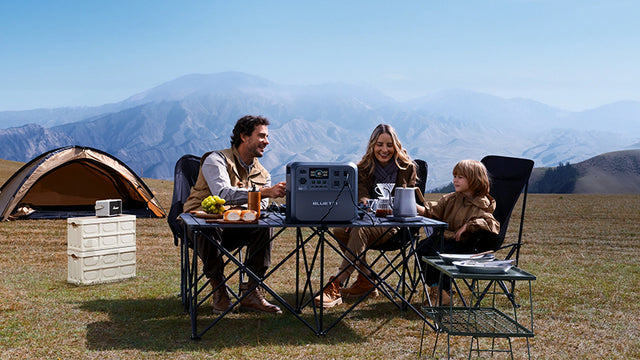
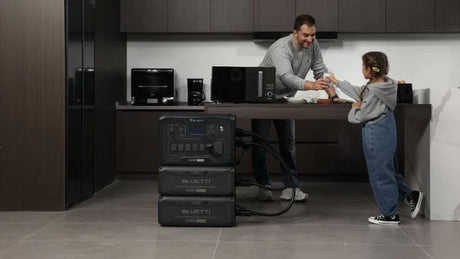
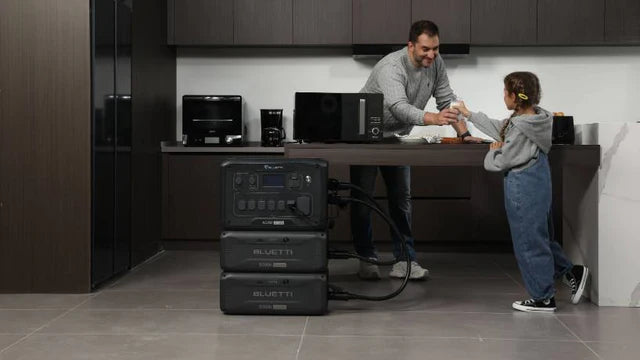
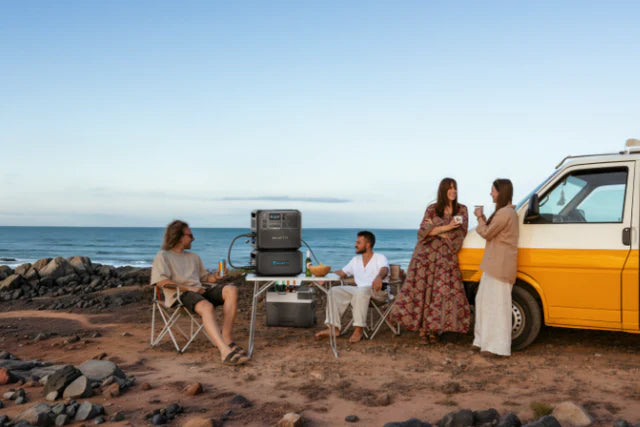
Improper use of gas generators can produce deadly carbon monoxide indoors. They must be operated outside, even in bad weather. For safer options, consider modern battery stations that offer clean, quiet indoor power. As examples, products like the BLUETTI Apex 300 or Elite 200 V2 provide portable energy storage.
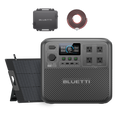
BLUETTI Apex 300 for Essential Home Backup

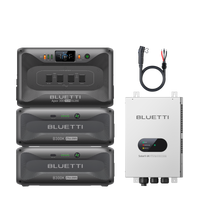
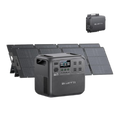
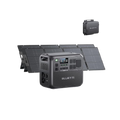
The BLUETTI Apex 300 can store 2,764.8Wh of energy at your house. It operates home systems simultaneously without emitting bad odours. This unit charges your fridge to keep food fresh for up to several days. It operates furnace fans that circulate heat inside your house during winter. Everyone can work concurrently and safely on this single unit here.
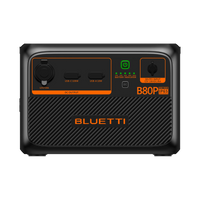
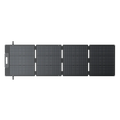
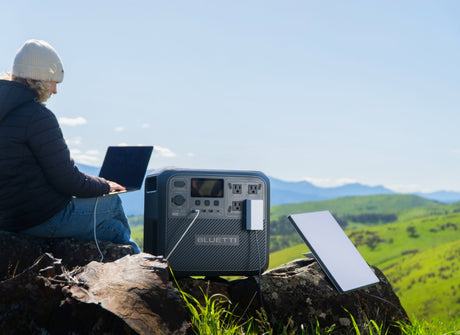
You may expand 2,764.8Wh to 58kWh as demanded. At optimal conditions, it takes 45 minutes to charge the wall to 80 percent. Solar panels link with up to 1,200W of the sun. The application allows you to check your battery usage whenever you want. The rapid switch keeps medical equipment operating in case of power outages.
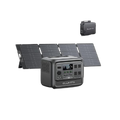
BLUETTI Elite 200 V2 for Portable Power
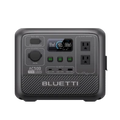
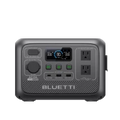
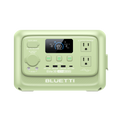
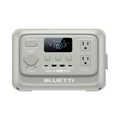
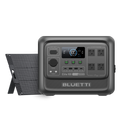
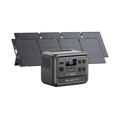
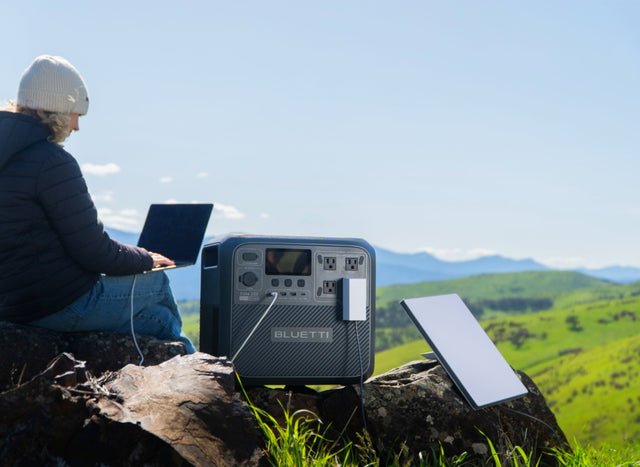
The BLUETTI Elite 200 V2 carries 2,073.6Wh and yields 2,600W overall. It weighs 24.2 kg, allowing you to transport it between rooms. This unit operates lights, laptops, phones, and internet boxes simultaneously. It powers you across 7 outlets concurrently. Even small items, such as coffee makers, operate there based on this unit.

In favourable conditions, fast charging can take approximately 1.1 hours to reach 80%. The battery provides 6,000 or more charge cycles for long-term use. That is over 10 years of family use. Durability and reliability are evidenced by the five-year warranty.
What to Do During the Storm
Your safety depends on wise decisions when a bomb cyclone arrives. During peak winds, stay indoors and avoid going outside where debris might fly. Stay away from windows that could shatter or be hit by objects. Move to interior rooms without windows for the best protection.
Once power fails, never use gas generators indoors or in attached garages. Unplug large appliances to prevent surge damage when power returns. Use flashlights instead of candles, which can start house fires.
Do not drive during poor visibility or high winds. Always avoid downed power lines, assuming they are live. Steer clear of damaged buildings or trees that may collapse. Avoid flooded areas, as water can hide hazards like debris or electrical wires.
After the Storm Passes
Recovery begins once the winds subside and authorities declare it safe. Wait for the all-clear before venturing outside to assess damage. Carefully inspect your property for hazards. Document damage with photos from multiple angles for insurance claims. Do not start a major cleanup without professional advice.
Report outages to your utility company with your account details. Call emergency services (911) for downed power lines. Notify your insurance provider promptly about any damage. Check on neighbours, especially the elderly or those with disabilities who may need assistance. Share information about open stores or charging stations in the area.
FAQs
- When are bomb cyclones most common in Canada?
The highest risk of bomb cyclones hitting Canada is between October and March. The most storms in our country occur during December and January.
- How much warning do we get?
Weather warnings usually give you 24-48 hours' notice. For safety, monitor weather news every day during the winter storm season.
- How long are the power outages on average?
Most outages are resolved in 6 to 24 hours in urban areas. In rural or hard-hit regions, severe storms can cause 3-5 days of disruptions.
- Should you evacuate during a bomb cyclone?
Only if authorities order an evacuation in your area. Coastal zones face higher storm surge risks and may need to evacuate.
- What is the frequency of these storms?
North America experiences an average of 18 bomb cyclones annually. Canada sees several each winter on the Pacific and Atlantic coasts.
- What is the most expensive bomb cyclone in Canadian history?
Hurricane Fiona in 2022 is the most costly, with over $800 million in insured damages. The November 2021 BC floods caused $675 million in insured damage.


