

















































































Energy bills are rising in many Canadian homes, especially during winter. Your house may be wasting money through old windows and doors that leak air. However, small adjustments can save hundreds annually. The best thing is that most fixes can be easily done by yourself. These diy home improvement efficiency hacks are quick and inexpensive.

Simple Changes That Cost Nothing
You do not have to have any special equipment to begin saving energy immediately. These simple things take effect right away, and they are absolutely free.
- Adjust Your Thermostat Settings
The settings on your thermostat can make a big difference in your heating bill every month in the winter. At night, turn your heat to 18 degrees. During the day, set it to 20 degrees when you're home. A programmable thermostat automatically makes these changes effortlessly.
- Unplug Devices to Stop Standby Power
Phone chargers consume power even when they are not in use. Unplug them once charging is complete. This standby power wastage can account for up to 10 percent of your bill. At night, unplug your TV and game console.
- Switch to LED Lights
Replace old bulbs with LED lights right away. These bulbs consume up to 90 percent less energy than incandescent bulbs. They last 15-25 times longer; hence, you'll buy fewer bulbs over time. Begin by replacing the 5 lights that you use most frequently in your home.
- Use Passive Heating From the Sun
Open the curtains on sunny winter days to heat the rooms for free. And keep curtains closed at night to trap heat in your rooms. This passive method of heating is free and can be highly effective in many houses.
- Run Appliances During Off-Peak Hours
Run your dishwasher and washer late at night when electricity rates are lower. Many provinces offer time-of-use pricing that charges less at night. Check your utility's website for off-peak hours.
Affordable Fixes That Pay Back Fast

These energy-saving techniques are not very expensive but provide quick returns. Most pay for themselves within a year or two.
- Seal Air Leaks Around Windows and Doors
Most Canadian households waste lots of heated air each winter through drafts. Purchase weather stripping for about $15 at any hardware store. Use caulking to seal cracks and gaps around windows and doors. These repairs can save you 10 to 20 percent on winter heating. Many homeowners complete this in just 2 hours on a Saturday morning. Install weatherstripping where the doors meet the frames and caulk around the window frames and the baseboards.
- Add Foam Gaskets Behind Outlets
Outlet foam gaskets block invisible air leaks. Install them in outlets on outside walls. The pack costs $5 and will cover 10 outlets in your entire home.
- Wrap Your Water Heater
Your water heater constantly loses heat. Add an insulating blanket for $40 if it's an older model. This blanket reduces heat loss by 25-50%. Set your water heater to 49°C (120°F) to save even more each month.
- Install Low-Flow Showerheads
Low-flow showerheads use about 25% less hot water. They cost $25 each and install in 10 minutes. Your family will still enjoy good showers without using up the hot water as quickly.
- Clean Refrigerator and Dryer Coils
To ensure that your fridge works efficiently, clean the coils twice a year. Dust buildup forces the motor to work harder. This 10-minute task reduces energy use. Clean your dryer's lint filter and vent for faster drying.
Bigger Projects With Lasting Impact

These energy efficiency upgrades require more effort and upfront costs. However, they provide the most long-term savings for Canadian winters.
1. Upgrade Your Attic Insulation
Most attics in older homes lose more heat than any other part of your home. Natural Resources Canada recommends R-50 insulation or greater. Attic insulation upgrades can reduce heating costs by 10-30% annually.
Blown-in insulation works well for most attics with easy access. Rent a blower machine from your local hardware store for the day. Most homes need 15-20 bags, depending on size. This project often takes one weekend with a helper.
2. Add Window Film for Extra Protection
For old single-pane homes, window film provides an extra layer of insulation. Kits cost about 15 dollars per window. Installation takes 30 minutes per window.
3. Install a Smart Thermostat
Smart thermostats learn your habits and adjust the temperature automatically. Models like Nest and Ecobee can save 10 to 15 percent on heating. They cost around $200, but rebates may reduce this.
4. Wrap Exposed Pipes
Insulate pipes in unheated areas like basements and crawl spaces. Foam pipe insulation costs $2 per meter. Focus on basement pipes and crawl spaces, where freezing is most likely.
5. Maintain Your Furnace Regularly
During winter, replace your furnace filter monthly if it's dirty. New filters cost about $15 at the majority of stores in your neighbourhood.
|
Hack |
Cost |
Estimated Savings |
Time to Implement |
|
Adjust Thermostat |
$0 |
5-10% on heating |
Immediate |
|
Unplug Standby Devices |
$0 |
Up to 10% on bill |
Immediate |
|
Switch to LEDs |
$5-10 per bulb |
75-90% on lighting |
10 minutes per bulb |
|
Passive Solar Heating |
$0 |
Varies by sunlight |
Immediate |
|
Off-Peak Appliance Use |
$0 |
Depends on rates |
Immediate |
|
Seal Air Leaks |
$15-50 |
10-20% on heating |
2 hours |
|
Outlet Gaskets |
$5 |
Minor draft reduction |
30 minutes |
|
Water Heater Wrap |
$40 |
25-50% heat loss |
1 hour |
|
Low-Flow Showerhead |
$25 |
25% on hot water |
10 minutes |
|
Clean Coils |
$0 |
Improved efficiency |
10 minutes |
|
Attic Insulation |
$300-600 |
10-30% on heating |
1 weekend |
|
Window Film |
$15 per window |
Reduced drafts |
30 minutes per window |
|
Smart Thermostat |
$200 (less with rebates) |
10-15% on heating |
1 hour |
|
Pipe Insulation |
$2 per meter |
Prevents freezing |
1 hour |
|
Furnace Maintenance |
$15 per filter |
Better airflow |
Monthly |
Daily Habits That Lower Bills

Your everyday routines also impact energy use more than you might think. Developing these energy-saving habits is simple and becomes second nature.
Wash clothes in cold water, where possible. Modern detergents work well without hot water. Only run machines when full since half-loads waste water and power.
Air-dry your dishes rather than using the heated dry cycle on your dishwasher. Open the door after the rinse cycle to let them dry naturally. This saves energy on every load.
During the day, rely on natural light when possible. Switch off lights in empty rooms. Consider motion sensors in bathrooms and hallways for automatic control.
Hang clothes to dry outside in summer and inside in winter rather than using your dryer. A drying rack costs $30 and lasts for years. This significantly reduces dryer energy use.
Track Your Progress

Monitoring your energy use helps identify waste. Set monthly targets lower than the previous month.
Review your bills each month. Compare usage with the same period last year. Many utilities offer free home energy audits to pinpoint issues.
Energy monitors plug into outlets to measure device consumption. They cost about $30. Use them to identify high-energy items.
Power Outages and Backup Solutions

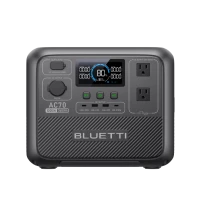
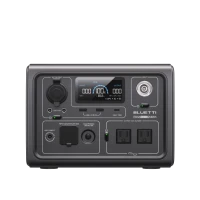
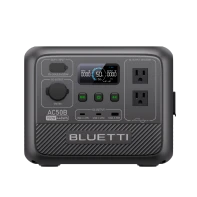
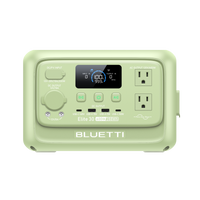
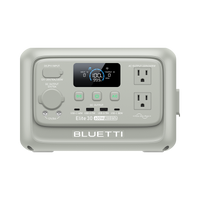
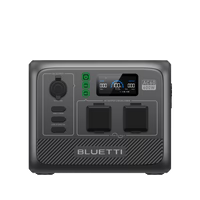
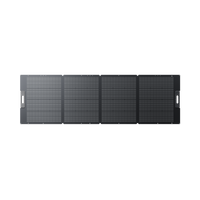
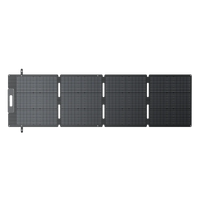
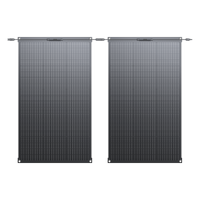
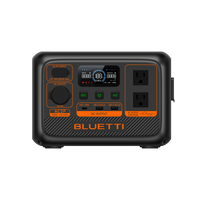
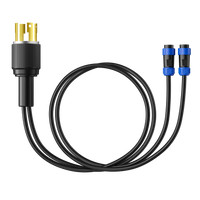
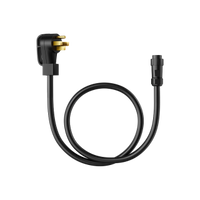
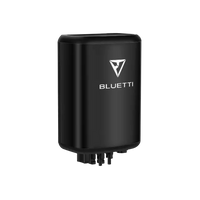
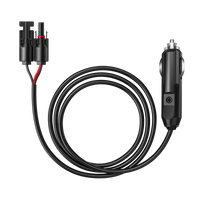
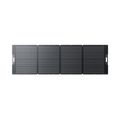
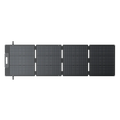
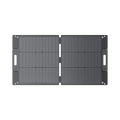
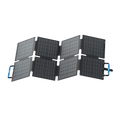
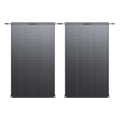
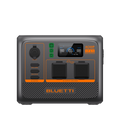
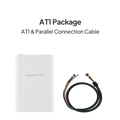
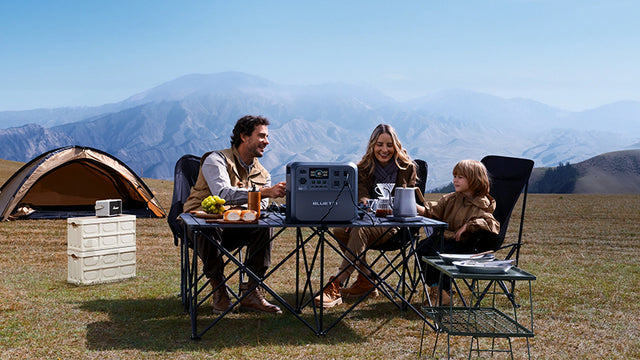
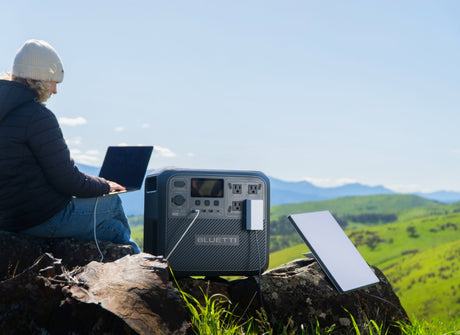
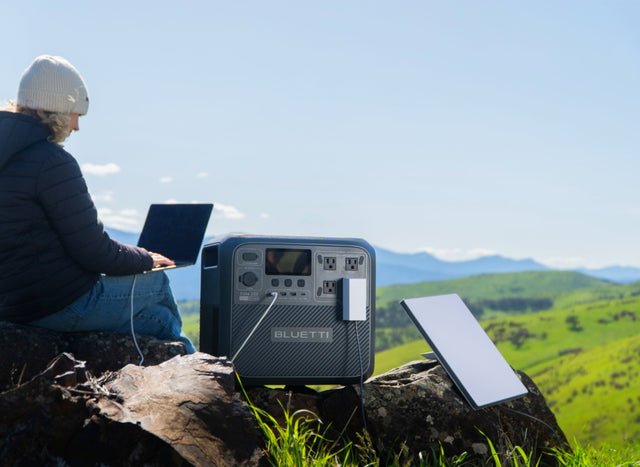
Winter storms often cause power outages in Canada. To keep your efficient home running, consider clean backup options. Battery backup systems provide quiet, fume-free power. Portable power stations keep critical devices running during outages. They charge via outlets or solar panels. They safely power phones, lights, medical equipment, and small appliances.
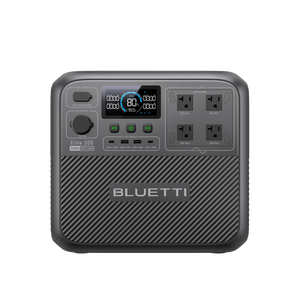
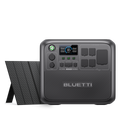
BLUETTI Elite 200 V2 Features
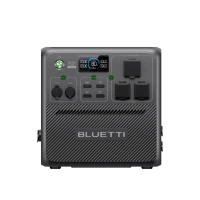
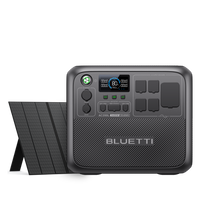
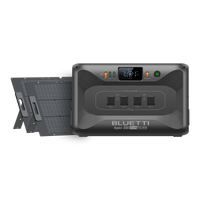
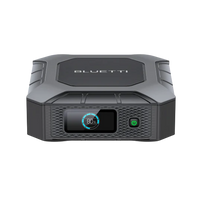
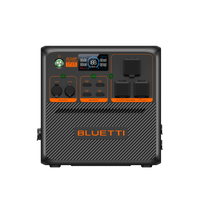
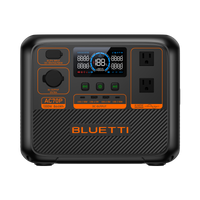
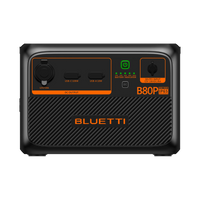
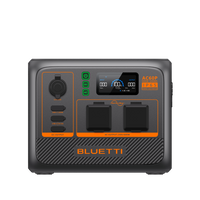
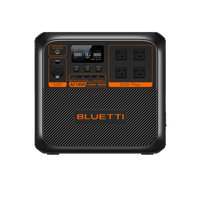
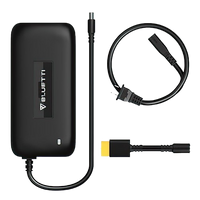
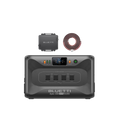
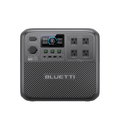
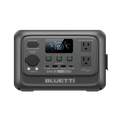
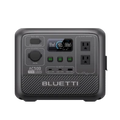
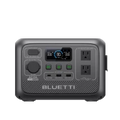
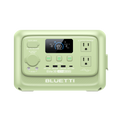
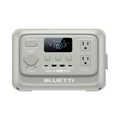
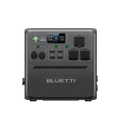
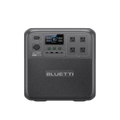
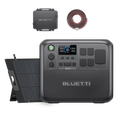
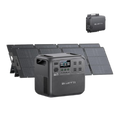
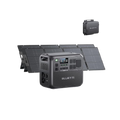
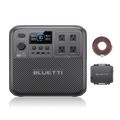
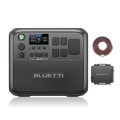
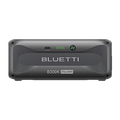
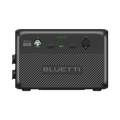
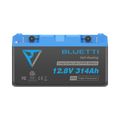
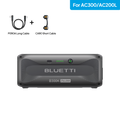
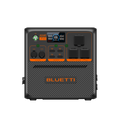
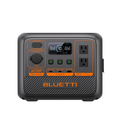
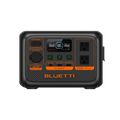
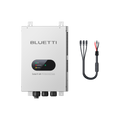
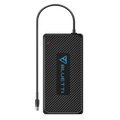
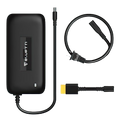
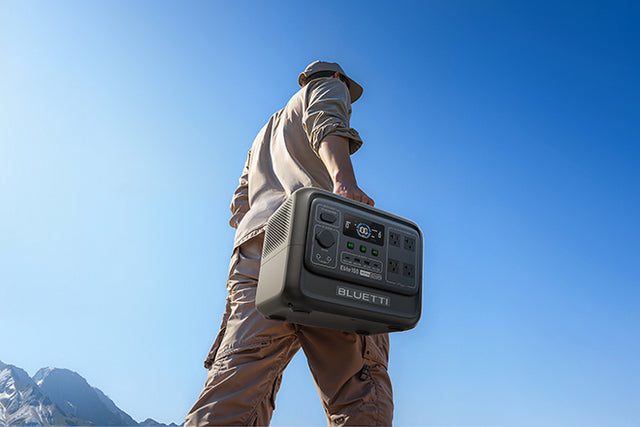
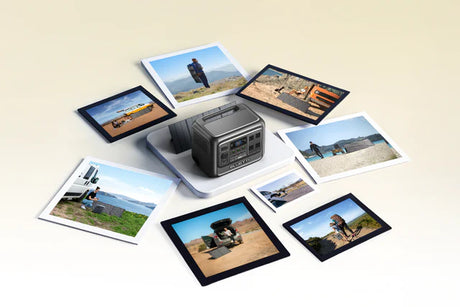
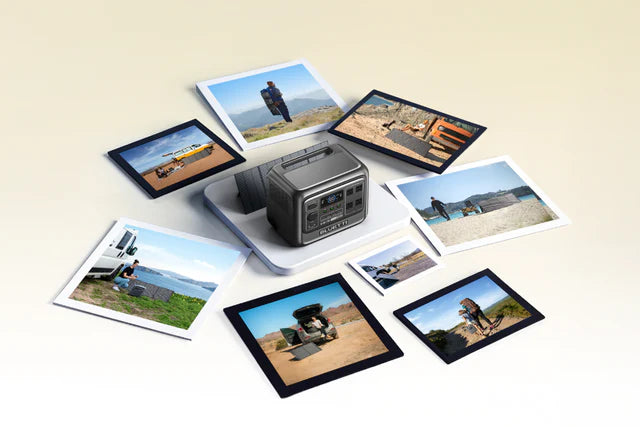
The BLUETTI Elite 200 V2 power station presents 2073 Wh of power to you. Its 2600 W power provides support to numerous domestic activities that you use day in and day out. It is very easy to power up a fridge, lights, and the internet at the same time.

Weighing 24 kg, it's portable to move between rooms. Attach it to solar panels to charge in case of long power outages that occur. The manufacturer gives five-year warranty coverage to secure your purchase at all times.
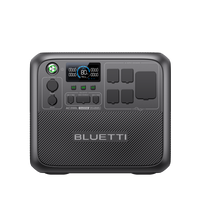
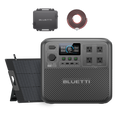
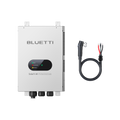
BLUETTI Apex 300 for Whole Home Backup
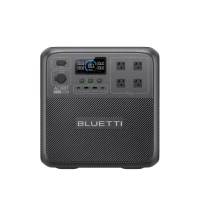
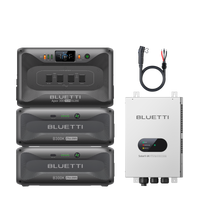
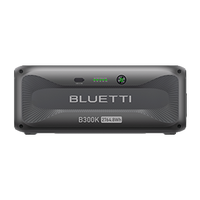
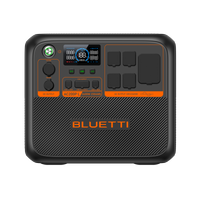
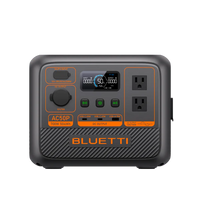
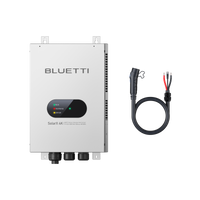
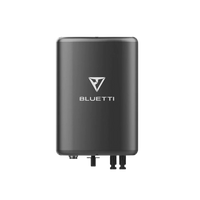
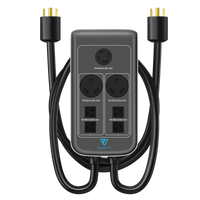
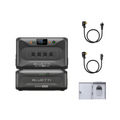
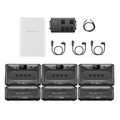
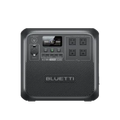
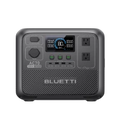
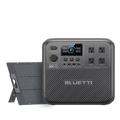
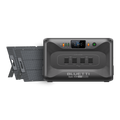
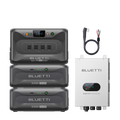
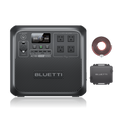
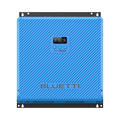
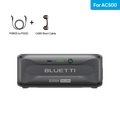
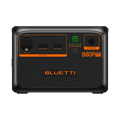
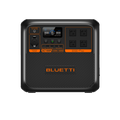
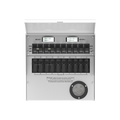
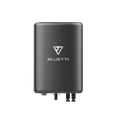
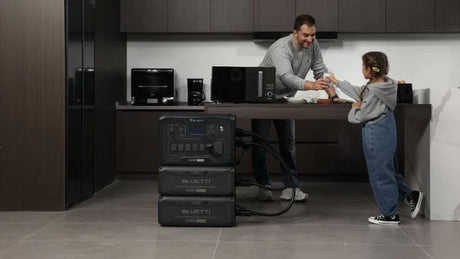
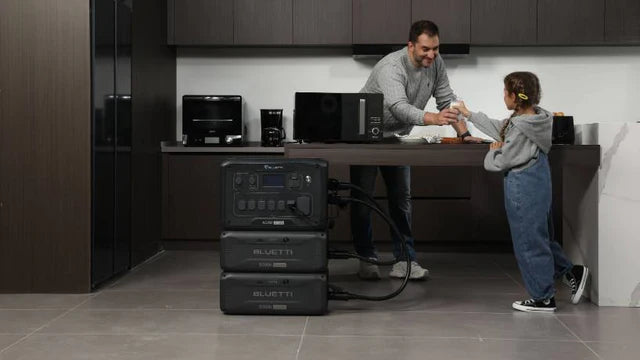
You can consider the BLUETTI Apex 300 system for the whole home backup power. This system has a 2764 Wh capacity and a 3840 W output. It drives bigger appliances such as furnaces and fridges, depending on what you have at home. Expandable to 58kWh with extra batteries, it supports 2,400W solar input and switches instantly during outages.

Using Battery Systems to Save Money
These two systems can assist in reducing bills, not only in cases of emergency backups at home. During low-cost off-peak hours, when you have time-pricing plans, charge them. Make use of stored power when the rates are high at peak hours so as not to pay high rates every day.
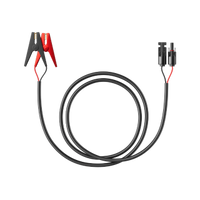
Solar panels operate through either of these systems as long as they fit perfectly with the other. The Apex 300 is compatible with certain rooftop solar installations installed by individuals. This will render your house more self-sufficient from the grid over the years.
Government Help and Professional Services
Canada offers rebates for energy upgrades—check for updates as programs evolve. Don't pay full price without exploring incentives.

Provincial programs vary. For example, British Columbia's CleanBC offers up to $5,500 for eligible heat pump installations in 2025. Ontario's Save on Energy provides $75 rebates for smart thermostats. Visit your provincial energy website for current details.
Professional energy audits reveal hidden savings opportunities. Certified auditors use tools to detect air leaks. Audits cost around $300 but are often subsidized.
Start Small and Build Momentum
You don't need to tackle everything at once. Start with free changes this week to see results and gain confidence.
Choose 3 simple hacks from the no-cost section. Adjust your thermostat this evening. Unplug standby devices tomorrow morning. Change to 5 LED bulbs this weekend. Next month, review your bill for savings. Use those savings to fund the next upgrade.
For 2026 trends, consider integrating EV charging or smart home tech for net-zero goals. Regional factors matter—e.g., harsher winters in the Prairies demand more insulation than coastal areas.
Frequently Asked Questions
- What is the most energy-saving feature in Canadian homes?
Air sealing and attic insulation often provide the largest savings. These improvements can reduce heating costs by 10-30% annually. They typically cost $500 to $1,000 for DIY.
- How much will I really save annually?
Savings vary by home size, location, and upgrades, but combining several hacks can save $200-500 yearly. Factors like fuel type and weather influence results.
- Should I have a professional energy audit?
Yes, for major projects—it's worth it to identify priorities. Start with basic DIY fixes if budgeting.


