




























































Winter hydro bills significantly impact many families in Canada. Understanding how many watts a heat pump uses helps manage rising energy costs. Heat pumps could reduce these bills, as they are not producers of heat; they are heat movers. Their efficiency varies from 150% to 350% based on the ambient temperatures. It means they produce 1.5 to 3.5 kWh of heat for each kWh of electricity.

In Vancouver and Victoria, heat pumps have been common for a long time. However, with a new heat pump designed for cold climates, savings are now available, particularly in Winnipeg, Edmonton, Calgary, and Northern Quebec. Here's some information on typical heat pump energy consumption in watts and heat pump power usage patterns across Canada.
Factors Influencing Heat Pump Wattage
Power consumed by heat pumps isn't constant. Understanding heat pump energy consumption involves considering several crucial factors, which every Canadian homeowner should be aware of.
System Size and Capacity
Its capacity is measured in tonnes, with one tonne being 12,000 BTU/h. A small 1,200 sq ft bungalow would require a capacity of 1.5-2 tonnes. A slightly bigger 2,000-2,500 sq ft home with a basement would require 3-4 tonnes.
Larger systems consume more power. For instance, a 3-ton model will consume 2,000-4,500 watts, depending on its efficiency.
Efficiency Ratings
Two elements are significant: SEER for cooling and HSPF for heating. Effective in Canada, new regulations by Natural Resources Canada now stipulate: "SEER₂ ≥ 14.3, HSPF₂ (Region V) ≥ 6.0, Off mode power consumption ≤ 33 W for split-system heat pumps under 19 kW (65,000 Btu/h)."
For real markets in Canada, low-temperature HSPF generally varies from 7.1 to 13.2. Generally, higher SEER or HSPF ratings indicate lower heat pump energy consumption. It means higher energy savings if there's an increase from SEER 14 to SEER 16.
Outdoor and Home Conditions
If it gets colder, then the pump's Coefficient of Performance (COP) will reduce. This means it consumes more electricity to deliver the same amount of heat.
If it's not insulated or sealed properly, it could require 10-30% more running time. This is compared to one with good insulation or sealing. Other factors, such as thermostat settings or losses in ducting, will also affect the actual heat pump power usage.
Types of Heat Pumps
- Air-source (Most common): Typically rated to operate between ~3500 & 7000 W.
- Ground source (geothermal): around 1,500-5,000 W, due to the fact that ground temp remains stable.
- Ductless mini-splits: about 1,200-4,000 watts. Suitable for zoning applications
Average Wattage and Real Canadian Consumption

Estimates regarding actual use vary significantly based on climate and dwelling type. Understanding how many watts a heat pump uses requires guidelines from Natural Resources Canada, as well as recent modelling work, which provides additional guidance.
Because residential heating/cooling systems are now evaluated for SEER₂ and HSPF₂, actual heat pump performance is more closely tied to these mandated levels than in past years. Actual performance will, of course, vary with levels of insulation, size, and temperatures.
On the basis of Canadian modelling data, heat pump energy consumption varies from year to year:
Region/Home Type—Estimated Annual Heat Pump Use
- Southern Ontario / Moderate-cold: Approximately 6000-10000 kWh/year.
- Prairie Provinces (for example, Winnipeg, Edmonton): ~8000-14000 kWh/year.
- Highly Insulated/Net-Zero New Build: ~ 3,000-7,000 kWh/year, based on efficiency/size.
These figures are estimates only, not guarantees, and may vary depending on part-load conditions, extreme temperatures, or individual home situations.
Estimated Running Watts (Realistic Canadian Conditions)
Below are running-watt estimates for cooling and heating. These running watts have been modelled based on COP, part-load performance, and actual data from Canada, showing how many watts a heat pump uses.
Cooling Mode—Typical Running Power
| System Size | ~14 SEER | ~16 SEER | ~18 SEER |
| 1 tonne (~12,000 BTU) | ~900 W | ~800 W | ~700 W |
| 2 tonnes (~24,000 BTU) | ~1,800 W | ~1,600 W | ~1,400 W |
| 3 tonnes (~36,000 BTU) | ~2,700 W | ~2,400 W | ~2,100 W |
| 4 tonnes (~48,000 BTU) | ~3,600 W | ~3,200 W | ~2,800 W |
These values are based on the BTU/SEER ratio. They factor in part-load capacity, fan energy, and ambient temperatures. Real-world tests have proved changes in COP affect actual heat pump power usage. These values are general, not precise.
Heating Mode - Cold Climate Running Power
| System Size | ~8 HSPF | ~10 HSPF | ~12 HSPF |
| 1 tonne | ~1,500 W | ~1,200 W | ~1,000 W |
| 2 tonnes | ~3,000 W | ~2,400 W | ~2,000 W |
| 3 tonnes | ~4,500 W | ~3,600 W | ~3,000 W |
| 4 tonnes | ~6,000 W | ~4,800 W | ~4,000 W |
COP decreases with lower temperatures, so power isn't necessarily in direct proportion to BTU. Part-load, ambient, and staging affect heat pump energy consumption. These data represent real-world operating conditions in Canada.
Real-World Examples for Everyday Usage

Understanding heat pump power usage in typical Canadian scenarios:
- A 2-ton unit at -10 °C in Montreal/Ottawa could consume ~80-120 kWh/day during deep winter.
- Southern Ontario, with milder winters: ~60-90 kWh/day for a similar unit.
- Calgary or Edmonton at -20 °C: 2- to 3-ton units consume ~100-150 kWh/day.
- Vancouver / Lower Mainland: ~40-65 kWh/day in winter.
- Remote, northern areas: extreme low temperatures could establish high demand.
Determining Usage and Costs
Now, pick running watts from those tables for your system when calculating how many watts a heat pump uses:
- Estimate running hours per day for the compressor.
- Daily kWh = (Watts × hours) ÷ 1,000.
- Cost per month = Daily kWh Consumption x 30 x Price per Unit.
Example: 3-ton, 16 SEER / 10 HSPF heat pump:
- Cooling draw: ~2,400 W; heating draw (~3,600 W).
- Summer (8 hr/day): 2.4 kW × 8 = ~19.2kWh per day - 576 kWh per month.
- Winter (16-18 hours/day): 3.6 kW x 16-18 hours = 57.6-64.8 kWh per day - 1730-1945kWh per month
- Multiply by 15¢/kWh → ~$260-290 in peak winter
Tips to Optimize Efficiency
You can reduce heat pump energy consumption without feeling colder. Here are some tips:
- Filter changes or cleanings should be performed every 1-3 months. Poor airflow increases heat pump power usage.
- Clean the outdoor coil annually, in both spring and fall.
- Schedule a professional tune-up each year (refrigerant, defrost, blower)
- Maintain a 60 cm clearance space around the outdoor unit. Clear snow/debris from the surfaces.
Improve the building envelope:
- Attic insulation: R-50-R-60.
- Wall insulation: R-20 or higher.
- Plaster leaks can be sealed with caulk, foam, or weather stripping. Can reduce running time by 20-30%.
- If it's especially cold, consider triple-pane windows.
Utilize temperature strategies:
- Maintain constant temperatures, rather than having frequent changes.
- Lower 2-3 °C at night or away results in ~3% energy savings/°C.
- Install smart thermostats, such as Ecobee or Nest, or other Nest-compatible models, for adaptive learning.
Portable Power for Outages and Off-Grid Use
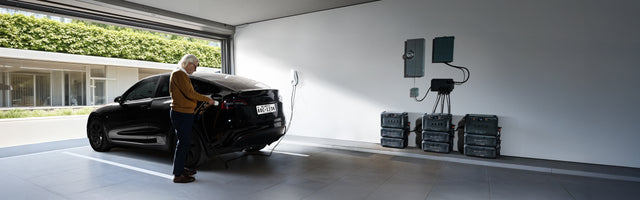
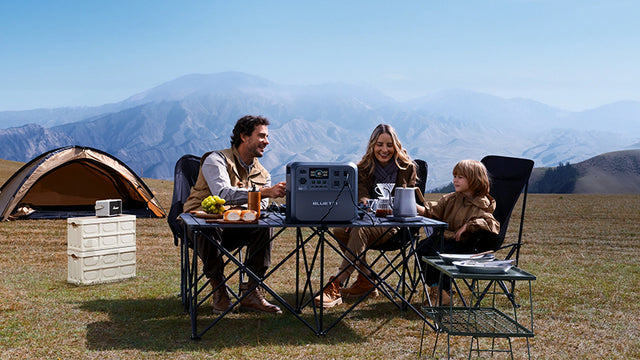
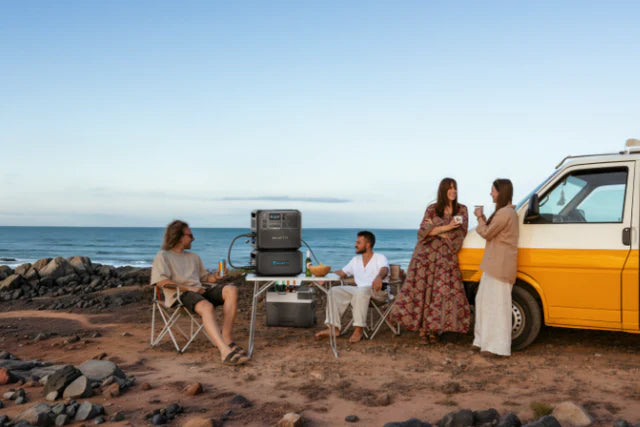
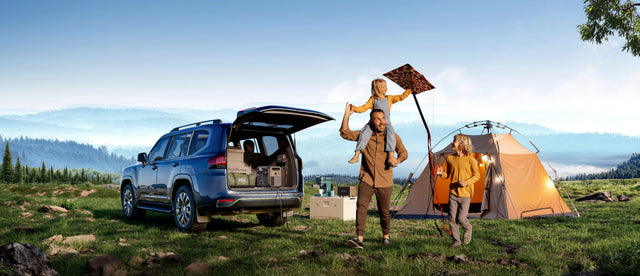
Ice storms, powerful winds, and outages in Canada can result in prolonged power outages. Battery backups enable your heat pump, and therefore your home, to remain operational. It does so in a manner unlike noisy, pollution-producing gas-powered generators. Overall, portable power is essential in subfreezing environments. Understanding how much power a heat pump consumes during extreme weather conditions helps plan for backup power.
-
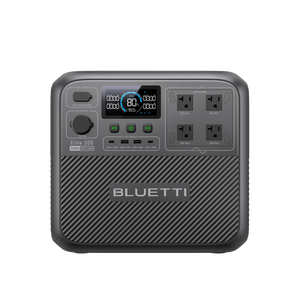
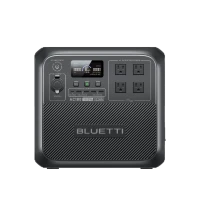
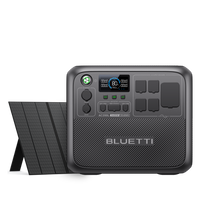
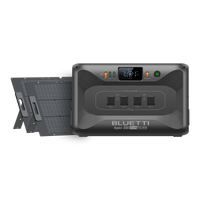
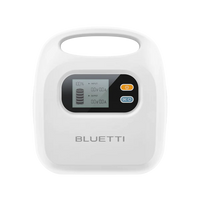
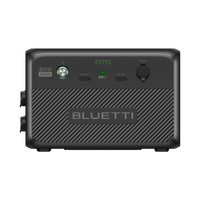
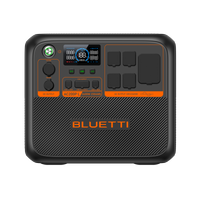
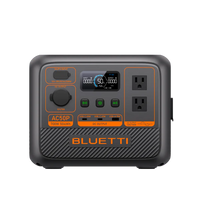
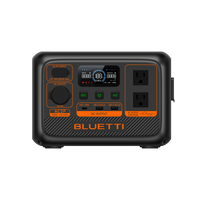
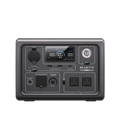
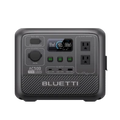
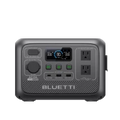
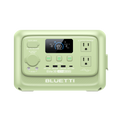
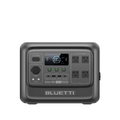
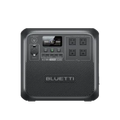
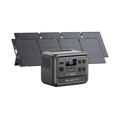
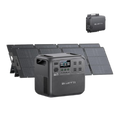
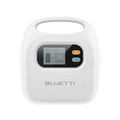
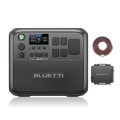
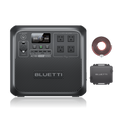
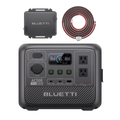
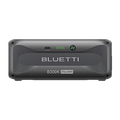
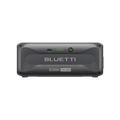
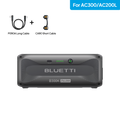
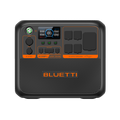
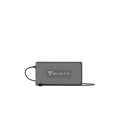
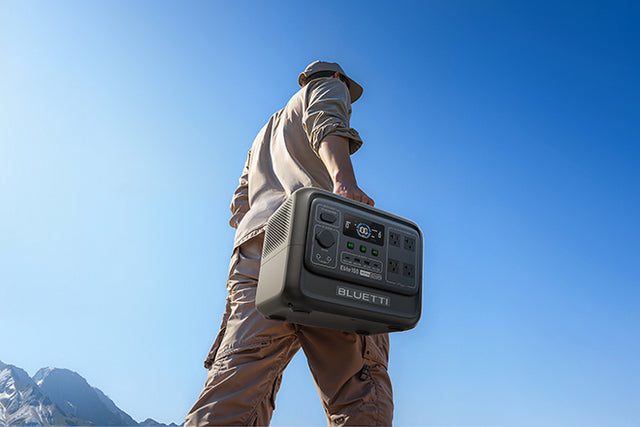
BLUETTI Elite 200 V2
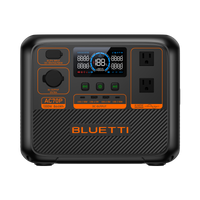
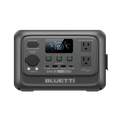
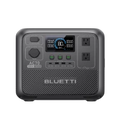
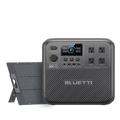
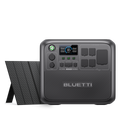
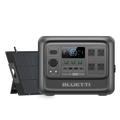
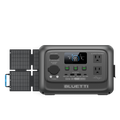
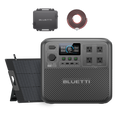
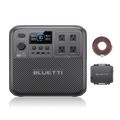
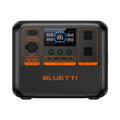
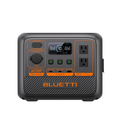
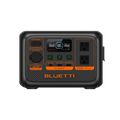
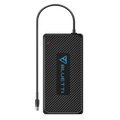
The BLUETTI Elite 200 V2 is an excellent companion for smaller 1-2 tonne mini-splits, ranging from 1 to 2 tonnes for ductless mini-splits. It features a 2,073.6 Wh LiFePO₄ battery with 54 Ah capacity. This also includes a continuous output of 2,600 W, reaching a peak output of 3,900 W.

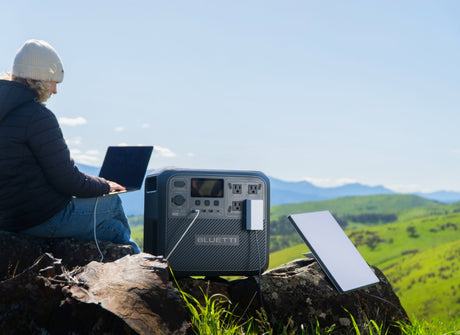
It could support running your 1-2 tonne mini-split for several hours with medium loads in moderate Canadian conditions, considering typical heat pump power usage. However, this relies on ambient temperatures. It features 1,000W solar charging with inputs ranging from 12V to 60V, 20A. Note that actual charging times may vary depending on the availability of sunlight and the solar panel's efficiency.
-
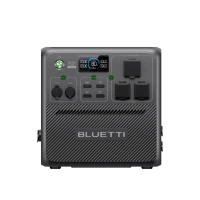
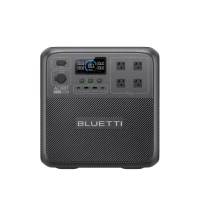
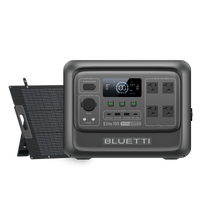
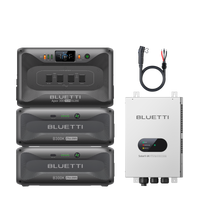
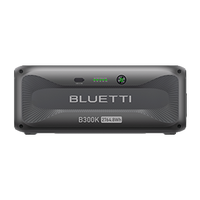
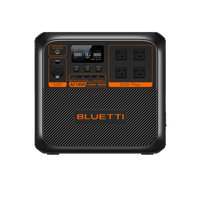
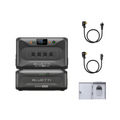
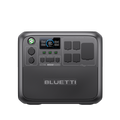
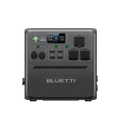
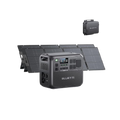
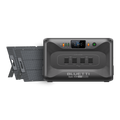
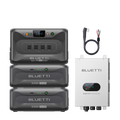
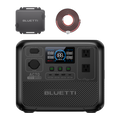
BLUETTI Apex 300
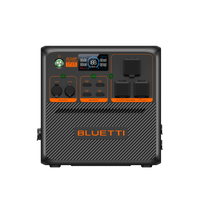
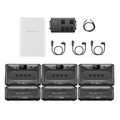
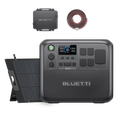
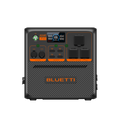
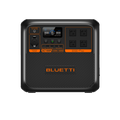
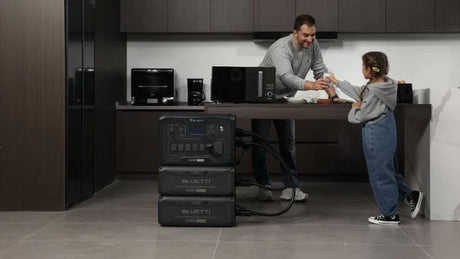
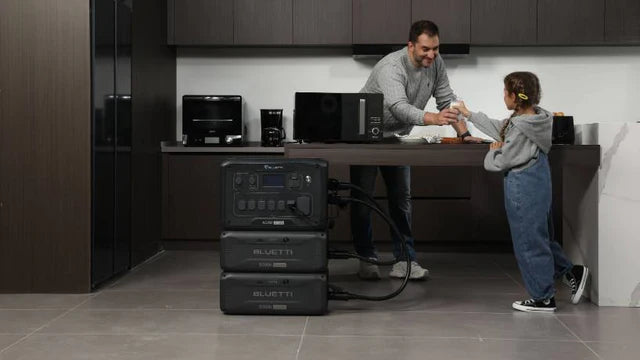
BLUETTI Apex 300 is suited for residential whole-house centralized systems when calculating heat pump energy consumption needs. It offers a 2,764.8 Wh capacity, utilizing LiFePO₄ batteries and boasting over 6,000 cycles. Its inverter functions at 3,840 W, with peak performance at 11,520 W. Besides, it works with multiple air conditioners and large appliances. It features 0 ms UPS switching, with included panels. It also features support for up to 30 kW of solar charging with SolarX 4K, allowing for charging in winter.

These BLUETTI products provide clean, noiseless, emission-free backup power. They enable mini-split and full-home systems to remain in operation. Sized accordingly, these systems will function off-grid or during an outage.
Frequently Asked Questions
- How many watts does a heat pump consume while in operation?
It varies. Understanding how many watts a heat pump uses could range from 700 W for compact, efficient appliances to 4,000+ W for full-size or vintage ones in Canada. It also depends on temperature, size, and type, affecting heat pump power usage.
- What's the average monthly cost in Canada?
It varies by region. Properly sized units for cold climates could cost between $80 and $320 per month, based on heat pump energy consumption. Areas in coastal regions in BC are less costly. Extremely cold areas are pricier, yet less costly than older electric heating.
- Are heat pumps cost-effective in extreme, cold climates during winter?
Yes. Current low-temperature models perform well in subfreezing temperatures, utilizing efficient heat pump power.
- Can I operate a heat pump using solar energy in conjunction with battery storage?
Yes. For instance, the 3-ton heat pump is a good example. With 15-25 solar panels and an Apex 300 battery, it would be possible to operate in an off-grid mode or during outages based on typical heat pump energy consumption.
- How do I choose the correct size?
Obtain the Manual J load calculation. It takes into consideration insulation, windows, climate, and orientation, affecting how many watts a heat pump uses. Approximately ~1 tonne per 500-600 sq ft for new homes, ~1 tonne per 400-500 sq ft for old homes.
Conclusion
Heat pumps are no longer only good for BC. Heat pumps are an intelligent and efficient space heating solution for nearly all provinces in Canada, including those with extremely low temperatures. Understanding how many watts a heat pump uses reveals power levels ranging from a few hundred to several thousand watts. The estimated average annual heat pump energy consumption is 5,000 to 13,000 kWh. Besides, they outperform traditional electric resistance heating with lower heat pump power usage.
Always pair an adequately sized cold climate heat pump with appropriate maintenance, an intelligent thermostat, and a dependable battery such as BLUETTI Elite 200 V2 or Apex 300. With these, you will enjoy lower energy costs, cool stays in summer, warmth during winter outages, and noiseless emissions.


